Women’s hormones begin to shift after age 40 as estrogen and progesterone levels slowly go down. These changes may affect your skin, energy, and how your body burns food. Women who look younger often have factors such as healthy hormone balance, good skin care, low stress, and healthy lifestyle habits. Tracking these shifts helps 40-plus women handle body changes and keep a youthful glow.
Key takeaways
- Hormones control ageing: Estrogen and progesterone aren’t just for fertility; they act as “beauty hormones” that keep skin thick and metabolism fast.
- Muscle is medicine: Losing muscle mass after 30 is a major cause of metabolic slowdown. Strength training is essential to staying lean.
- Stress ages skin: High cortisol (the stress hormone) directly breaks down collagen, leading to faster wrinkling and “sagging.”
- Perimenopause is a decade: Hormonal shifts often begin 10 years before the actual start of menopause.
- Data empowers: Tracking your cycle with tools like Premom helps you distinguish between “just getting older” and a fixable hormonal imbalance.
Women’s hormones may start to change a lot after age 40. This might happen because of natural shifts in estrogen and metabolism. While some women see more wrinkles or grey hair, others look much younger. This is often because balanced hormones support healthy skin and high energy. Understanding hormonal changes in women helps explain why the body changes at 40 female stages are different for everyone.
Key terms explained
- Perimenopause: The years leading up to menopause, when your hormones start to go up and down.
- Estrogen: The main female hormone that keeps skin thick, moist, and healthy.
- Progesterone: A hormone that helps you sleep well and keeps your mood steady.
- Cortisol: The “stress hormone” that can break down skin and make you age faster.
- Insulin Resistance: When your body has a hard time using sugar for energy, it often causes weight gain around the belly.
What happens to women’s hormones after 40?
Women’s hormones go through a big change called perimenopause in their 40s. During this time, the ovaries make less estrogen and progesterone. This can make your periods shorter or happen at odd times. Hormone levels can jump around a lot, which affects almost every part of a woman’s body.
Do women’s hormones change at 40?
Yes, most women in their 40s start to feel their hormones shifting. While menopause usually happens at age 51, the 10 years before that involve a slow drop in hormones. This is why many women notice changes in their sleep, mood, and period patterns during this time.
Why does estrogen begin to decline?
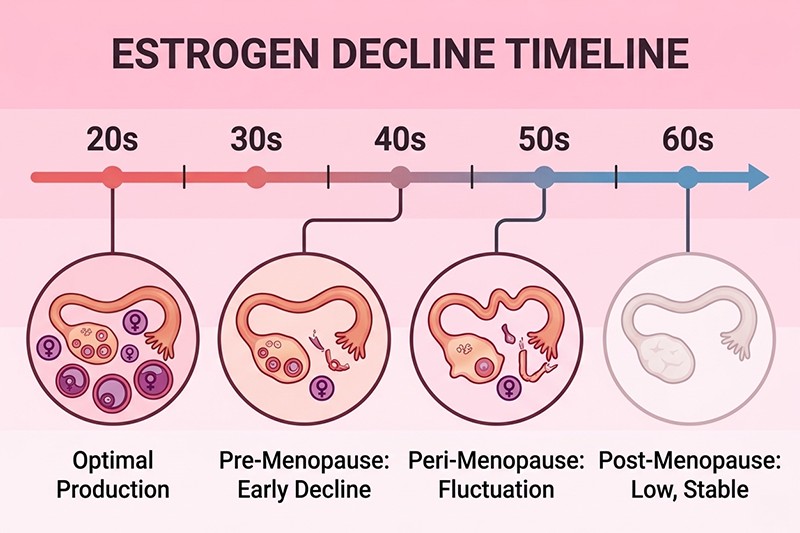
Estrogen drops because the ovaries have fewer healthy eggs as women get older. When you don’t ovulate as often, the brain and ovaries don’t talk to each other as well. This leads to less estrogen, which can affect your bones and heart health.
Perimenopause hormonal timeline
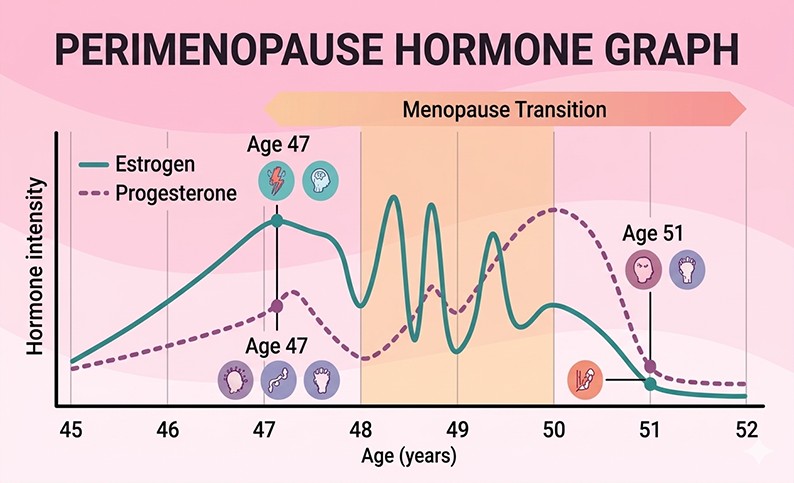
The perimenopause timeline usually starts in a woman’s early 40s. It can last from 4 to 10 years. At first, periods might stay on time but get shorter. Later on, usually after age 45, women might skip periods or get hot flashes.
Body changes at 40: What’s normal for women?

Body changes at 40 female stages are a natural part of growing older. These changes happen because of biology, not just a birthday. Changes in muscles, skin, and where you store fat are all tied to estrogen. Knowing this is a hormonal event helps you find the right ways to stay healthy.
Metabolism changes
Metabolism often slows down for women in their 40s. This happens because the body loses muscle. According to the NIH (2023), muscle mass can drop by up to 8% every ten years after age 30. Lower estrogen also makes it easier to gain weight around the stomach.
Skin elasticity and collagen loss
Skin changes are some of the first body changes at 40 that people notice. Estrogen helps skin stay firm and hydrated. When estrogen drops, skin loses its bounce and gets drier. This leads to more wrinkles and less “glow.”
Sleep and mood shifts
Hormonal changes at 40 symptoms often include trouble sleeping. Progesterone helps you feel calm. As it drops, many women feel more worried or cranky. Lower estrogen can also cause night sweats that wake you up.
What makes a woman look younger at 40?
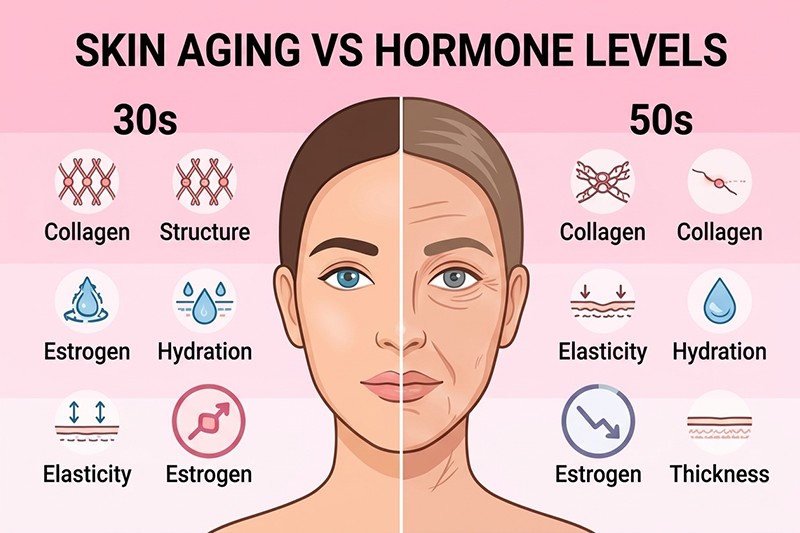
The reason some 40-plus women look very young is often their hormones. Balanced hormones help the body fix itself. Women with low stress (low cortisol) and steady blood sugar tend to have better skin and more energy.
Estrogen and skin ageing
Estrogen is like a natural beauty tool. It helps the skin hold onto water so it stays plump. Women with healthy estrogen levels often have fewer deep wrinkles because their skin stays hydrated from the inside out.
Progesterone balance
Progesterone helps keep you from feeling “puffy.” It is a natural mood lifter. When this hormone is balanced, it helps you get the deep sleep you need to look refreshed.
Cortisol and stress ageing
High cortisol is bad for your skin. It breaks down the proteins that keep skin firm. Why does hormonal imbalance happen? It often happens because the body makes “stress hormones” instead of “beauty hormones” when we are too busy or worried.
Why is Gen Z ageing so fast?
People think Gen Z is ageing faster for a few simple reasons:
- Using Fillers too early: Many young people get Botox or lip fillers before they need them. Using these too much can stretch the skin and make a 20-year-old look much older.
- Vaping and screen Time: Vaping stops oxygen from reaching the skin, making it look dull. Also, “blue light” from phones can break down the proteins that keep skin firm.
- High stress: Gen Z reports feeling very stressed. Stress creates a hormone called cortisol, which destroys collagen. Collagen is what keeps your face looking “bouncy” and young.
- Heavy makeup: Modern makeup tricks, like contouring, are meant to make the face look sharp. This mimics the way a face naturally loses “baby fat” in its 30s.
Hormones and skin: The anti-ageing factor
Women’s hormones on the skin change how young we look. Studies show that skin gets thinner every year after menopause because estrogen drops. Keeping your hormones healthy is like using a great face cream from the inside.
How do hormones affect collagen?
Collagen is what keeps skin firm and strong. Estrogen tells your body to make more collagen. As estrogen dips in your 40s, your body makes less of it. This is why 45-year-old women’s body changes often include thinner skin on the face and hands.
Why does glowing skin depend on hormones?
Glowing skin comes from good blood flow. Estrogen helps the tiny blood vessels in your face. Without enough estrogen, skin can look dull. Balanced hormones also keep skin oils steady, so you don’t get adult acne or very dry patches.
Hormonal changes at 40 – Early signs
Finding hormonal changes at 40 symptoms early helps you stay healthy. Many women think these signs are just “part of ageing,” but they are actually signals from your body. Learning these signs is the first step to feeling like yourself again.
| Symptom | What it Feels Like | Main Hormone |
| Fatigue | Tired even after sleeping all night. | Cortisol / Thyroid |
| Weight Gain | New fat around the middle of the body. | Insulin / Estrogen |
| Irregular Periods | Cycles that are too short, long, or heavy. | Progesterone |
| Brain Fog | Hard to focus or remember words. | Estrogen |
| Mood Changes | Sudden feelings of worry or sadness. | Progesterone |
Fertility and hormones after 40
Fertility after 40 is a big topic for women in their 40s. While it is harder to get pregnant, it is still possible for many. Tracking your hormones is key because ovulation becomes harder to predict.
Fertility hormones explained

The main hormones to watch are FSH and LH. As a woman gets closer to menopause, her FSH levels go up. This is because the brain is trying harder to make the ovaries work. Premom helps women track LH levels to see if they are still ovulating.
Tracking fertility after 40
Because the “best time” to get pregnant can change or get shorter after 40, a calendar isn’t enough. Using a tool to track your actual hormone levels through tests is much more accurate.
How to support healthy women’s hormones after 40?
You can help your body through these changes with a few simple steps.
- Step 1: Eat more protein. Try to get protein at every meal to keep your muscles strong.
- Step 2: Lift weights. Strength training 2 times a week helps your bones and metabolism.
- Step 3: Track your cycle. Use the Premom app to see how your body is changing.
- Step 4: Rest your mind. Spend 10 minutes a day relaxing to lower your stress hormones.
- Step 5: Get good sleep. Keep your room cool to help with night sweats.
Track your hormonal health with Premom
Knowing what is happening in your 40s shouldn’t be a mystery. The Premom app helps you find your hormone patterns easily. By logging your tests and how you feel, you can see how your cycle is shifting. Whether you want to get pregnant or just want to understand your body, Premom gives you the facts.
Frequently Asked Questions – Why Some Women Look Younger After 40
Good genes help, but so does lifestyle. Eating well, sleeping enough, and protecting your skin from the sun help keep your hormones and cells healthy.
Healthy estrogen levels are a big reason. They keep the skin moist and plump. Good sleep and a healthy metabolism also keep you looking refreshed and young.
Expect your periods to change a little bit. You might feel more tired or notice your skin getting drier. These are normal signs that your hormones are shifting.
The main signs are irregular periods, trouble sleeping, and gaining weight around the belly. You might also feel more anxious or have a hard time focusing.
Disclaimer: This article is for educational purposes only and is not intended to diagnose, treat, cure, or prevent any medical condition. Always consult a qualified healthcare provider for personalised medical advice regarding menstrual health, fertility, or hormonal concerns.
References
- American College of Obstetricians and Gynaecologists. Perimenopause: What to expect. ACOG Patient Resources. 2023. https://www.acog.org/womens-health/faqs/the-menopause-years
- National Institutes of Health. Muscle mass changes and ageing, National Institute on Ageing. 2023. https://pmc.ncbi.nlm.nih.gov/articles/PMC2804956/