Mental Health and Fertility: How Stress Affects Ovulation & Sperm Health
Trying to conceive can be an emotionally challenging experience. As a fertility expert at Premom, I often meet people who feel stressed, anxious, or emotionally exhausted in their fertility journey. Physical well-being is indeed important for getting pregnant naturally.
But mental well-being often gets overlooked. The mind and body are closely connected. Emotional health may significantly influence fertility.
Understanding this connection can help you feel more supported, informed, and empowered as you move through your cycle.

How mental health can affect fertility
Fertility is closely linked to hormones, timing, and overall health. Emotional stress can affect them over time.
Mental health and male fertility
Mental well-being also plays a vital role in male fertility. Stress and emotional strain may affect:
- Sperm count and quality
- Sperm motility
- Sexual health and intimacy
- Hormonal imbalance (testosterone regulation)
Mental health and female fertility
When you experience chronic stress, your body releases cortisol, also known as the stress hormone. Elevated cortisol levels may interfere with reproductive hormones like estrogen and progesterone.
Some people may experience:
- Changes in cycle length (irregular or delayed cycles)
- Delayed or unpredictable ovulation
- Difficulty identifying fertile days
- Affect progesterone levels and luteal phase
Fertility is often a shared journey, and emotional care matters for both partners.
Understanding mood changes across the cycle
Hormones naturally rise and fall throughout the menstrual cycle. These shifts may influence mood, energy levels, and emotional sensitivity. For many people, emotional changes can appear:
- Before ovulation
- During the luteal phase
- In the days leading up to a period
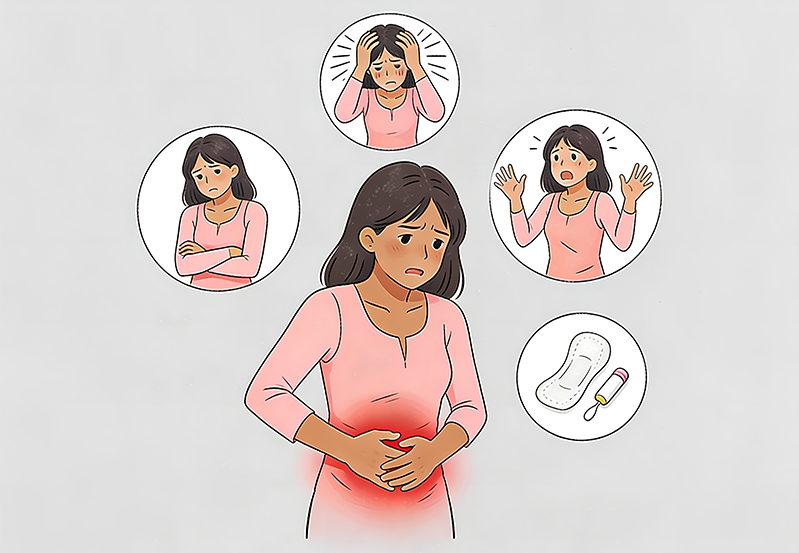
Recognizing these patterns can help reduce self-blame and increase self-compassion.
How mood tracking in the Premom app can help
The Premom app lets you log your daily moods and emotions alongside your cycle data.
Many users find mood tracking helpful for:
- Identifying emotional patterns across the cycle
- Understanding how hormones may influence mood changes
- Preparing for emotionally sensitive days
- Connecting mental well-being with ovulation timing
By viewing mood entries next to LH test results, cycle history, and ovulation time predictions, you can gain a clearer picture of how your mind and body move together during each cycle.
Simple ways to support mental health during TTC
Small, consistent steps can make a difference.
Practice mindfulness
Spending 10-15 minutes daily on deep breathing, meditation, or prayer can help calm the nervous system and reduce anxiety. Even a simple 15-20-minute walk with your partner can help relieve stress and boost your mood. Remember to pause, breathe, and relax, especially during emotionally intense times.

Stay active
Walking, stretching, yoga, or light exercises can help release tension and improve your mood.

Talk and share
Speaking with a counselor, therapist, support group, partner, or trusted friend can ease emotional burden. You do not have to go through this alone.
Prioritize sleep
Aim for 7-9 hours of quality sleep. Rest supports emotional balance and hormonal health.
Nourish your body

A balanced diet meal plan with fruits, vegetables, whole grains, and adequate hydration support both mental clarity and fertility awareness.
How mental well-being and ovulation tracking work together
Tracking your cycle can feel empowering when done with compassion instead of pressure. Fertility awareness tools can bring clarity and help lower stress.
Supporting your mind and cycle together
| Focus area | How it can support fertility awareness |
| Mood and emotion tracking | Helps identify emotional patterns across the cycle |
| Emotional awareness | Supports early stress recognition and self-care |
| Ovulation tracking | Reduces guesswork around fertile days |
| Ovulation predictor kits | Help identify when ovulation may be approaching |
| Steady consistency | Encourage patience and self-compassion |
Using ovulation tests alongside mood and emotion tracking allows you to understand not just when ovulation may occur, but also how hormonal changes may affect your emotional experience.

In Brief
Mental health and fertility are closely connected, and emotional well being plays an important role in hormonal balance and ovulation patterns. Ongoing stress may influence cycle regularity, sperm health, and overall reproductive function. Tracking mood alongside ovulation data in the Premom app can help you better understand how your emotions and hormones move together each month. Supporting both your mind and body creates a more compassionate and informed fertility journey.
Advancing with Clarity
Your fertility journey includes both body and mind. Caring for your mental health, especially your emotions and moods, is not a sign of weakness. It is part of understanding and respecting your body.
If you’re tracking ovulation, using Easy@Home LH test strips with the Premom app can help you identify your fertile window. Adding mood tracking offers a more holistic view of both your cycle and emotional patterns.
👉Explore Easy@Home LH Test Strips for simple, reliable ovulation tracking and cycle awareness today.
This content is for educational purposes only and is not medical advice. Please consult a healthcare professional for personalized guidance.
Frequently asked questions
Yes. Chronic stress can increase cortisol levels. Elevated cortisol may disrupt the hypothalamic pituitary ovarian axis, affecting GnRH, FSH, and LH secretion. This hormonal disruption can delay ovulation or make cycles less predictable.Occasional or short term stress typically does not stop ovulation.
Anxiety alone does not prevent pregnancy. Severe, chronic stress can raise cortisol, which may disrupt ovulation by affecting the hypothalamic pituitary ovarian axis. Mild or occasional anxiety usually does not reduce your chances of conceiving.
Yes. Mental health matters for both partners during the fertility journey. Strong emotional well-being supports healthy communication, resilience, and mutual support.
Yes. Combining mood tracking with cycle and ovulation data can help build better emotional awareness.