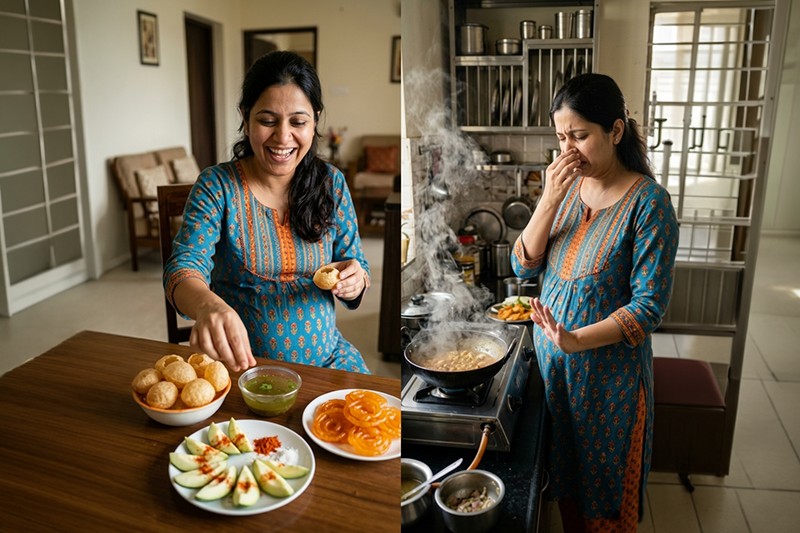
Pregnancy cravings are one of the first signs of pregnancy for many women, often accompanied by pregnancy symptoms of food aversion. Some women may suddenly develop a craving for sweet or spicy foods, while others may find themselves disliking their usual meals. Understanding the causes of pregnancy cravings in early pregnancy and how to manage them naturally can help support the health of both the mother and the developing baby.
What are pregnancy cravings and food aversion?
Pregnancy is a time of massive change for your body, and your appetite is usually the first thing to react. You might find yourself dreaming of a specific brand of pickles at 2:00 AM or, conversely, feeling physically sick at the mere thought of a salad you used to love. These shifts are known as cravings and aversions.
Why do pregnancy food cravings happen
While scientists are still studying the exact reasons, most believe cravings are the body’s way of asking for specific nutrients or reacting to hormonal surges. Your body is working overtime to build a person, and that requires extra energy and different building blocks than your pre-pregnancy life.
What is food aversion during pregnancy?
A food aversion is a strong, sudden dislike for a specific food. It isn’t just “not being in the mood” for a certain meal; it is often a powerful feeling of repulsion or nausea triggered by the smell, texture, or sight of a food. Common culprits include coffee, meat, and eggs.
Are cravings during pregnancy normal?
Yes! Estimates suggest that between 50% and 90% of pregnant women experience some form of specific food craving. It is a hallmark of the journey and is rarely a cause for concern unless you are craving non-food items like dirt or ice (a condition called pica), which should be discussed with a doctor.
Why do food cravings occur in early pregnancy?
The first trimester is a whirlwind for your internal systems. Understanding the “why” can make the “what” much easier to handle.
Hormonal changes (hCG and progesterone)
As soon as an egg is fertilised, your body ramps up the production of Human Chorionic Gonadotropin (hCG). This hormone, along with rising progesterone, is responsible for many early pregnancy signs. These hormones affect your brain’s reward system, making certain foods seem much more appealing than they were a week ago.
Heightened smell and taste sensitivity
Have you noticed you can smell a coworker’s lunch from across the office? Pregnancy often causes “hyperosmia,” or a heightened sense of smell. Because taste and smell are so closely linked, a stronger scent can make a food taste incredible or absolutely unbearable.
Nutritional signals from the body
Sometimes, your body uses cravings as a “shortcut” to get what it needs. If you are craving a cheeseburger, your body might actually be asking for iron and protein. If you want a salty snack, you might need more electrolytes to support your increasing blood volume.
When do pregnancy cravings and food aversions start?
Every woman is different, but there is a general timeline most pregnancies follow regarding appetite changes.
How early do food aversions start in pregnancy?
Food aversions are often one of the very first signs of pregnancy. They can appear as early as two weeks after conception, sometimes even before you miss a period or see a positive test.
What week of pregnancy do food aversions begin?
Most women notice aversions and “morning sickness” peaking between weeks 6 and 11. This is when hCG levels are rising most rapidly. By the end of the first trimester (around week 13), many women find that their food aversions are starting to fade.
When does loss of appetite happen in early pregnancy?
Loss of appetite often goes hand-in-hand with morning sickness in the first trimester. While some women feel hungrier, others find that nausea makes eating anything difficult during weeks 6 through 12.
Common pregnancy food cravings and what they mean
Your cravings might feel random, but there is often a pattern to what pregnant women reach for in the pantry.
Craving sugar during pregnancy
Sweet cravings are incredibly common. This is often due to your body’s need for quick energy. Growing a baby is exhausting, and sugar provides a fast glucose spike. However, it is best to reach for fruit or complex carbs to avoid the “sugar crash” later.
Craving spicy food during pregnancy
Spicy food cravings are a bit of a mystery, but some experts think it’s because spicy food makes you sweat, which naturally cools the body down. Others believe it’s simply because pregnancy dulls your taste buds slightly, and you want something with a “punch.”
Salty vs sweet cravings explained
If you’re reaching for the salt shaker, your body might be trying to manage its fluid balance. If you’re reaching for chocolate, you might be low on magnesium or simply looking for a mood boost from the endorphins that sugar releases.
Food aversion in pregnancy – Why you suddenly hate certain foods
Morning sickness connection
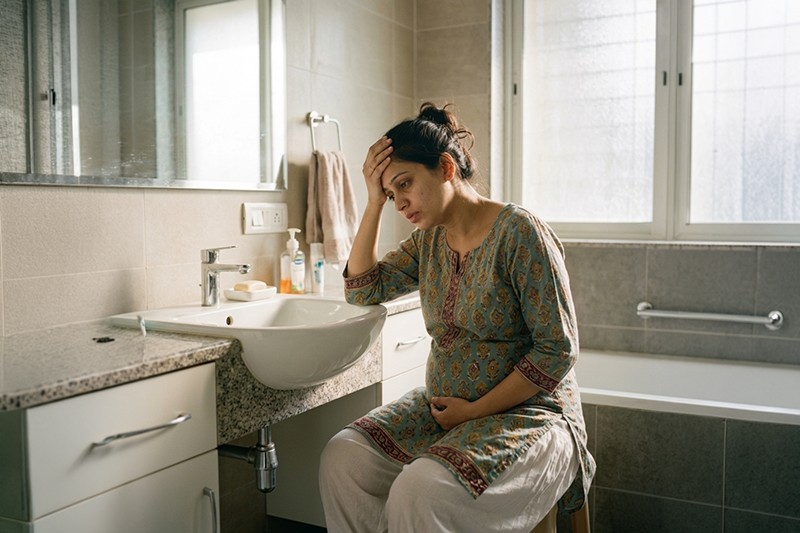
Aversions are the body’s defence mechanism. If a food makes you feel even slightly nauseous, your brain creates a “taste aversion” to protect you. This is why many women develop aversions to foods that triggered nausea during the peak of morning sickness.
Protective biological response
Some evolutionary biologists believe food aversions evolved to protect the fetus. Many common aversions, like bitter vegetables or strong-smelling meats, were historically more likely to contain toxins or bacteria that could be harmful to a developing baby during the fragile first trimester.
Sensory changes during pregnancy
Your mouth actually changes during pregnancy. Some women experience a metallic taste (dysgeusia), which can make normally delicious foods taste like pennies. This change in sensory perception makes aversions much more likely.
How to handle pregnancy cravings naturally
You don’t have to be a slave to your cravings. There are many healthy ways to satiate pregnancy cravings.
How to stop food cravings in early pregnancy
The best way to “stop” a craving is to prevent it. Eat small, frequent meals to keep your blood sugar stable. When your blood sugar drops, your brain sends out emergency signals for high-calorie, sugary foods.
Healthy swaps instead of restrictions
If you crave ice cream, try Greek yoghurt with frozen berries. If you crave potato chips, try lightly salted popcorn or nuts. Choosing healthier alternatives will give you the texture and flavour you want with added nutritional benefits like protein and fibre.
Portion and balance strategy
It is okay to give in to a craving occasionally. The key is the “plus-one” rule. If you want to have a cookie, have it, but pair it with a fruit or a handful of walnuts. This slows down sugar absorption and keeps you full longer.
How to manage food aversion without losing nutrition
If you can’t look at a piece of chicken without feeling sick, don’t panic. There are ways to get your vitamins.
What to eat during a food aversion pregnancy
When dealing with food aversions, try to stick with mild, gentle foods that offer a steady boost of energy without overwhelming your senses. The BRAT diet (Bananas, Rice, Applesauce, Toast) is a classic for a reason. If meat is the problem, look for “hidden” proteins like beans, lentils, or high-protein pasta.
Small meal strategy
Instead of three large meals, aim for six tiny snacks. A full stomach can trigger nausea, but an empty stomach is often even worse. Keeping a little bit of food in your system at all times is the best defence against aversions.
Hydration and cold foods trick
Cold foods often have less aroma than hot foods. If the smell of cooking is your trigger, try cold sandwiches, salads, or smoothies. Also, stay hydrated! If plain water tastes “off,” add lemon, cucumber, or drink sparkling water.
Pregnancy signs linked to appetite changes
Appetite shifts are more than just annoying; they are a sign your body is doing its job.
Loss of appetite as an early pregnancy sign
While we often think of “eating for two,” a total lack of interest in food is a very common early sign. This usually resolves by the second trimester when the “honeymoon phase” of pregnancy begins.
Increased hunger signals
By the second trimester, your baby is growing rapidly. You might find that you are hungry every two hours. This is your body asking for the extra 300-500 calories needed to support the baby’s growth.
No cravings during pregnancy – Is it normal?
Absolutely. Not every woman experiences cravings or aversions. If you feel fine and are eating a balanced diet, don’t worry that you “don’t feel pregnant enough.” You’re just one of the lucky ones!
Pregnancy cravings myths – Gender and old beliefs
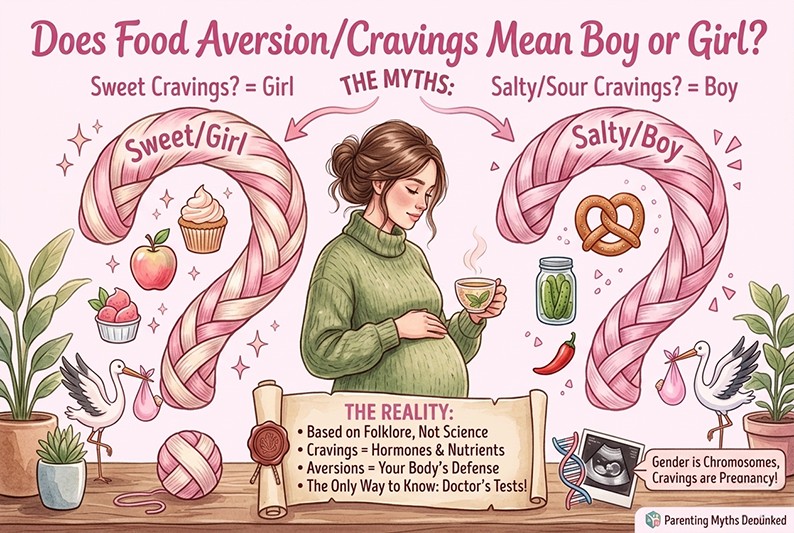
For centuries, people have used cravings to guess the sex of the baby. While fun, it’s important to know fact from fiction.
Does food aversion mean boy or girl?
Old wives’ tales suggest that if you have severe morning sickness and many aversions, you are having a girl. If you have a hearty appetite, it’s a boy.
Do cravings predict baby gender?
One popular belief is that sweet cravings indicate a girl, whereas salty or sour cravings suggest a boy. While many moms swear by this, scientific studies have shown no consistent link between what you eat and the baby’s biological sex.
Science vs myths
The sex of your baby is determined by chromosomes at the moment of conception. Cravings are determined by your hormones and the nutritional status of your body months later. The biological sex of a baby is determined solely by chromosomes at conception.
While various myths suggest that food cravings can predict whether you are having a boy or a girl, there is no scientific evidence to support this. Cravings are actually a reflection of your shifting hormones and nutritional needs, not the baby’s sex.
When should you see a doctor?
Most appetite changes are normal, but some require medical attention to keep you and your baby safe.
Severe food aversion
If you cannot keep any food or liquid down for more than 12 hours, you may have Hyperemesis Gravidarum. This is a severe form of morning sickness that requires medical treatment to prevent malnutrition.
Not eating during pregnancy
If your aversions are so strong that you are losing weight or feeling too weak to go about your day, call your OB-GYN. They can recommend pregnancy-safe anti-nausea medications or vitamin B6 supplements.
Signs of dehydration or nutrient deficiency
Watch for dark urine, extreme dizziness, or a racing heart. These are signs that your aversions are preventing you from getting enough fluids.
How Premom Helps Track Pregnancy Signs Early
Navigating the early weeks of pregnancy can be overwhelming, but you don’t have to do it alone. The Premom app is designed to support you from the moment you decide to conceive through your entire pregnancy journey. Once you see that positive test, the app transitions from fertility monitoring to Pregnancy Tracking Mode, providing a suite of tools tailored for your new chapter.
By using the Premom app for symptom and milestone logging, you can track cravings, aversions, and daily health changes. This helps you identify patterns, like realising you feel most nauseous on specific mornings, so you can plan your meals and rest better. The app also integrates your ovulation and conception timeline, providing a clear picture of how your symptoms align with your baby’s development.
Key features to help you monitor your journey include:
- HCG Line Progression Tracker: Upload photos of your pregnancy tests to visualise rising hormone levels, which typically double every 2–3 days in early pregnancy.
- Week-by-Week Development Tracker: Monitor your baby’s growth and understand the changes happening in your body during each trimester.
- Due Date Calculator: Get your estimated due date and plan for your big day.
- Personalised Content: Access expert education on nutrition, exercise, and lifestyle changes to support a healthy pregnancy.
- Expert Access & Community: Connect with pregnancy advisors for your questions and join a supportive community of users sharing similar experiences.
With comprehensive pregnancy monitoring, Premom ensures you have the data and support you need to stay healthy, informed, and confident every step of the way.
Frequently Asked Questions – Pregnancy Cravings and Food Aversion
You can’t always “stop” it, but you can manage it by avoiding triggers, eating cold foods with less odour, and taking ginger or vitamin B6 as recommended by your doctor.
Yes, it is perfectly normal. Every pregnancy is unique. As long as you are getting proper nutrition and gaining weight as recommended by your doctor, a lack of cravings is not a problem.
Most women see a significant improvement by the start of the second trimester (weeks 13 or 14). For a small percentage of women, some aversions may last until delivery.
Focus on high-fibre and high-protein foods. These will keep you full longer than simple carbs. Keep healthy snacks like almonds, cheese sticks, or apples nearby at all times.
Yes. While many women start feeling better at week 13, hormones are still fluctuating. It is very common for aversions to linger for a few more weeks as you transition into the second trimester.
Some women experience a loss of appetite as early as 4 to 6 weeks pregnant, often coinciding with the onset of nausea or a metallic taste in the mouth.
Disclaimer: This information is for educational purposes only and does not constitute medical advice. Always consult with your healthcare provider or OB-GYN before making changes to your diet, starting supplements, or if you have concerns about your pregnancy symptoms.
References
- Grieger JA. Preconception diet, pregnancy diet, and gestational weight gain: Basics of a healthy pregnancy. Nutrients. 2020;12(7):2029., https://pubmed.ncbi.nlm.nih.gov/24790026/
- Orloff NC, Hormes JM. Pickles and ice cream! Food cravings in pregnancy: Hypotheses, evidence, and directions for future research. Frontiers in Psychology. 2014;5:1076., https://pubmed.ncbi.nlm.nih.gov/25295023/
- Bayley TM, Dye L, Jones S, DeBono M, Hill AJ. Food cravings and aversions during pregnancy: Relationships with nausea and vomiting. Appetite. 2002;38(1):45-51., https://pubmed.ncbi.nlm.nih.gov/11883917/
- Faas, M.M., Melgert, B.N. & de Vos, P. A Brief Review on How Pregnancy and Sex Hormones Interfere with Taste and Food Intake. Chem. Percept. 3, 51–56 (2010). https://doi.org/10.1007/s12078-009-9061-5,