


Premom is a fertility and pregnancy tracking platform trusted by 15M+ people worldwide*. This hCG pregnancy calculator is part of a suite of free tools built on the same hormone tracking framework behind the Premom app, designed to help you understand your results with greater clarity at every stage of your journey.
Master your fertile window: Expert guides to your cycle
An ovulation calculator is a powerful starting point, but your body provides real-time clues that a calendar alone can’t see. To maximize your chances of conceiving this month, explore our expert-led resources on pinpointing your peak fertility:
- Confirm your surge: Learn how to read ovulation test strips and identify your LH peak with precision.
- Listen to your body: From “egg white” texture to shifts in temperature, discover the top signs of ovulation you should be tracking.
- Navigate the “what ifs”: Dealing with unpredictable cycles? Here is how to track ovulation with irregular periods or PCOS.
What is ovulation?
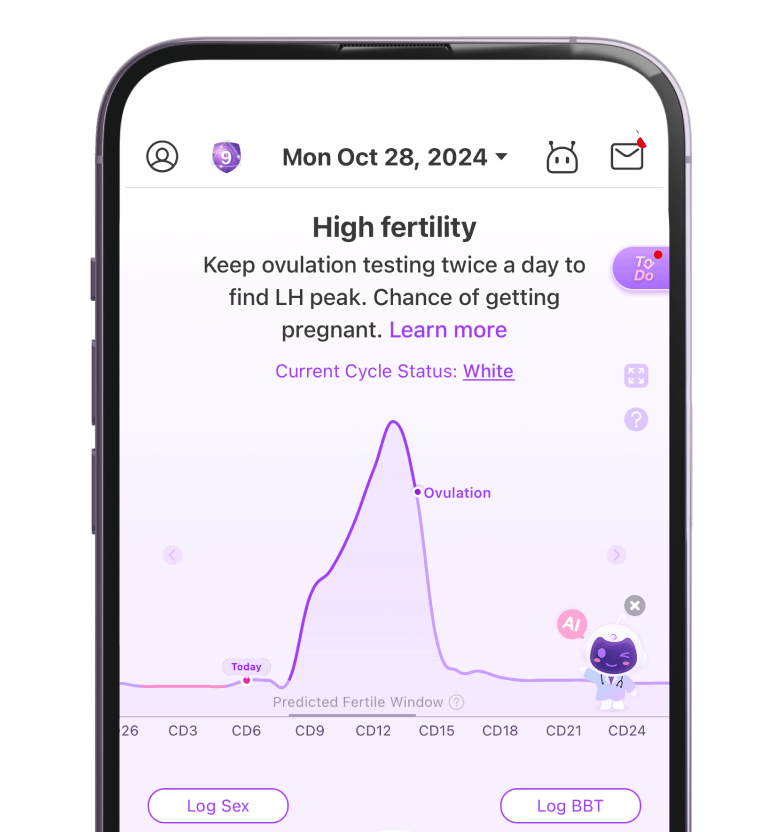
Ovulation is a natural process controlled by hormones in which an ovary releases an egg. After release, the egg enters the fallopian tube and waits for fertilisation. The egg remains alive for 12 to 24 hours, while sperm can live for up to 5 days inside the female body. This is why knowing your fertile window is important. The fertile window includes the five days before ovulation and the day of ovulation, as having intercourse during this time increases the chances of pregnancy. Premom focuses on hormone detection for ovulation, a feature that many other apps lack. The Premom app helps you predict when ovulation may occur based on your cycle length, making it easier to identify fertile days, especially for women trying to conceive.
Ovulation & conception
Conception can happen only around the time of ovulation. Once an egg is released, it creates a small window (12-24 hours) for fertilisation. If sperm are already present or reach the fallopian tube during this time, fertilisation may take place, leading to a positive pregnancy. Conception is most likely when intercourse occurs from five days before ovulation through the day of ovulation, defining the ‘fertile window’. Many couples miss this window due to cycle variation or incorrect assumptions. An ovulation day calculator helps reduce guesswork by estimating when ovulation is likely to occur. Understanding your ovulation cycle improves timing, increases confidence, and supports natural conception, particularly for couples actively trying for a baby. With Premom, you can understand your cycle better and track ovulation with confidence.
Tracking menstrual cycle
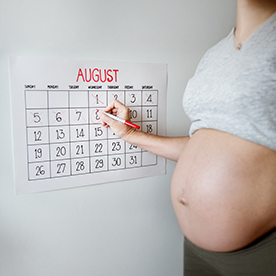
Your menstrual cycle starts on the first day of your period and ends the day before the next period begins. Ovulation usually occurs around 11-14 days in a typical 28 days cycle. This is why tracking is important. By logging your period dates and cycle length, an ovulation calculator helps predict your most likely ovulation days. Your menstrual cycle is an important sign of your overall health. Tracking it can help you understand your body, notice any unusual changes, and support your reproductive goals, whether you are trying to conceive or avoid pregnancy.
Identifying the fertile window
The fertile window usually includes 5 days before ovulation and the day of ovulation. These are the most important days for conception. An ovulation tracker analyses cycle data to estimate this window and highlight your most fertile days. While guesswork may seem easy at first, but fertility awareness improves with regular ovulation tracking across your cycles. Knowing your ovulation days helps you plan intercourse for pregnancy with greater clarity and reduces stress around timing.
Advanced tracking for higher accuracy
While ovulation usually happens around your expected fertile window, many factors can affect its timing. Hormonal imbalances, stress, extreme body weight or nutrition issues, intense exercise, and certain gynecological conditions, such as PCOS, endometriosis, thyroid disorders can all influence when ovulation occurs.
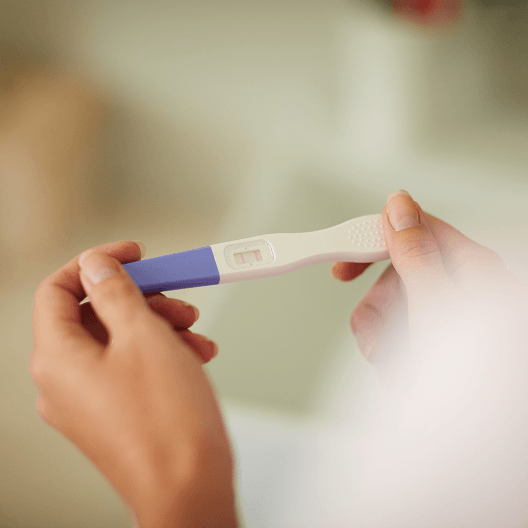
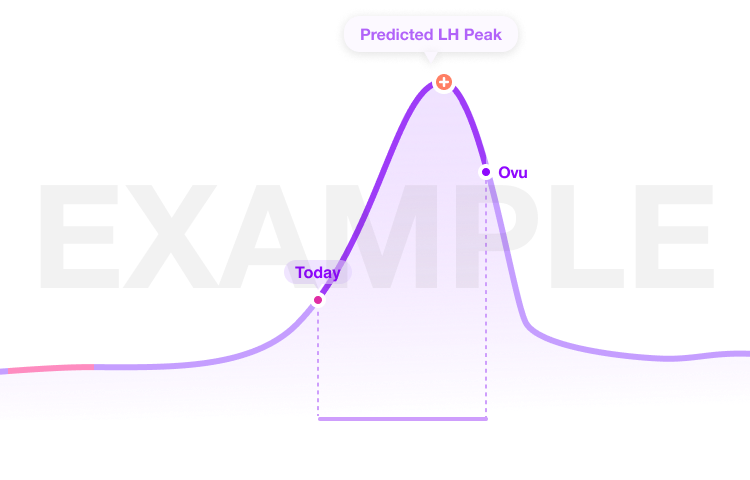
Ovulation predictor kits detect the luteinising hormone (LH) surge that happens 24-36 hours before ovulation. Basal body temperature (BBT) tracking records the slight temperature rise that happens 2-4 days after ovulation, indicating that ovulation has likely occurred. Using Premom ovulation predictor kits along with a basal body thermometer gives you a more accurate picture of your ovulation timing and helps you better identify your fertile days.
Irregular periods & pregnancy planning
Irregular periods affect about 25-29% of women and can make pregnancy more difficult because ovulation may not occur regularly or at the right time. Irregular cycles are often linked to hormonal imbalances, metabolic disorders, and PCOS. A smart ovulation period calculator adapts to changing cycle patterns and improves accuracy over time. Studies show that using ovulation predictor kits can increase pregnancy and live birth rates by 40-70%, while basal body temperature mainly indicates that ovulation has likely occurred. Using both together gives a clearer picture of the fertile window.
How an ovulation calculator works
The tool estimates your fertile days by analysing your menstrual cycle data. It does not predict a fixed date; instead, it provides a personalised fertility range that improves with consistent tracking.
Enter your cycle details
Start by adding the first day of your last period and your average cycle length. This information helps the tool understand your menstrual cycle and estimate when ovulation is likely to occur.
Estimate ovulation timing
Using clinical cycle-based formulas, the calculator works backwards from your expected next period to calculate ovulation. This helps identify your probable ovulation days rather than assuming a standard day 14.
Identify the fertile window
The tool highlights your fertile window, usually the five days before ovulation and the day of ovulation itself. These are the days when pregnancy is most likely.
Track changes across cycles
As you log periods regularly, the ovulation tracker adjusts predictions based on real cycle patterns, improving accuracy over time.
Support smarter planning
An ovulation day calculator or ovulation period calculator works best when combined with ovulation tests, helping indicate hormonal changes and refine fertility predictions—especially useful for women with irregular cycles or delayed ovulation.
This approach helps reduce guesswork and supports more confident, informed pregnancy planning.
How to use ovulation kit at home to Get Pregnant?
Where to buy an Ovulation Kit:
- Buy an Ovulation test Kit on Premom