
Can Perfume Affect Fertility? Egg & Sperm Risks
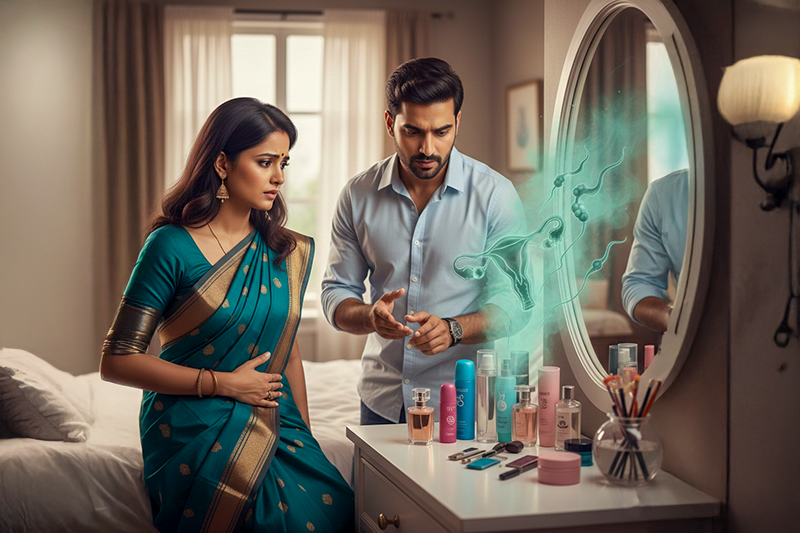
Many of us enjoy wearing perfume or using scented products. They make us feel confident, fresh, and put together. But did you know that certain chemicals in perfumes can disrupt hormones and impact fertility in both men and women?
Some perfumes contain phthalates, chemicals that help scents last longer. Research shows these phthalates can interfere with the hormones that control ovulation in women and sperm production in men, acting as endocrine disruptors.
High levels of phthalates have been linked to irregular cycles, subtle hormone imbalances, and egg quality issues in women, and can affect sperm count, motility, and testosterone in men.
But if you’re trying to conceive, reducing unnecessary exposure is a safer way to support your fertility and give your body the best chance to do its job.
Side effects of perfumes
Recent research shows that some perfume ingredients may cause noticeable changes in hormone levels and fertility health in both women and men.
In women
- May disturb hormone balance that controls ovulation
- Linked to irregular menstrual cycles in high exposure
- May subtly affect egg quality
- Can cause a mild hormone imbalance over time
In men
- May affect testosterone levels
- Can reduce sperm count with high or long-term exposure
- May lower sperm movement (motility)
- Can affect overall sperm quality
Other sources of exposure
Perfume isn’t the only source. Phthalates are also found in lotions, nail polish, hair products, and some plastics. Over time, these small exposures can add up. Choosing phthalate-free or fragrance-free options is an easy way to lower your chemical load.
Tips for couples trying to conceive
In day-to-day life, we all feel the need for fragrance at workplaces, dinner meetings, or social gatherings to avoid body odor and feel confident.
If you like using fragrances often, try to:
- Choose safe scents – Use phthalate-free or natural perfumes
- Limit strong fragrance – Avoid heavy sprays, candles, and air fresheners
- Stay healthy – Eat well, exercise, manage stress, and sleep
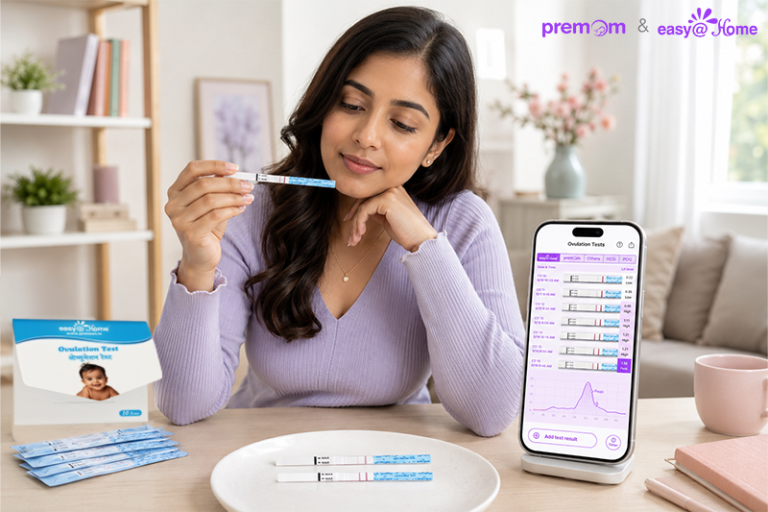
- Track fertility – Monitor cycles to find fertile days
Perfume alone is not a major fertility risk, but it can contribute to overall chemical exposure. Being mindful, choosing safer alternatives, and focusing on lifestyle habits can help create a fertility-friendly environment for both partners.
Small, consistent steps like choosing the right products and maintaining healthy routines can support your body and your chances of conceiving naturally.
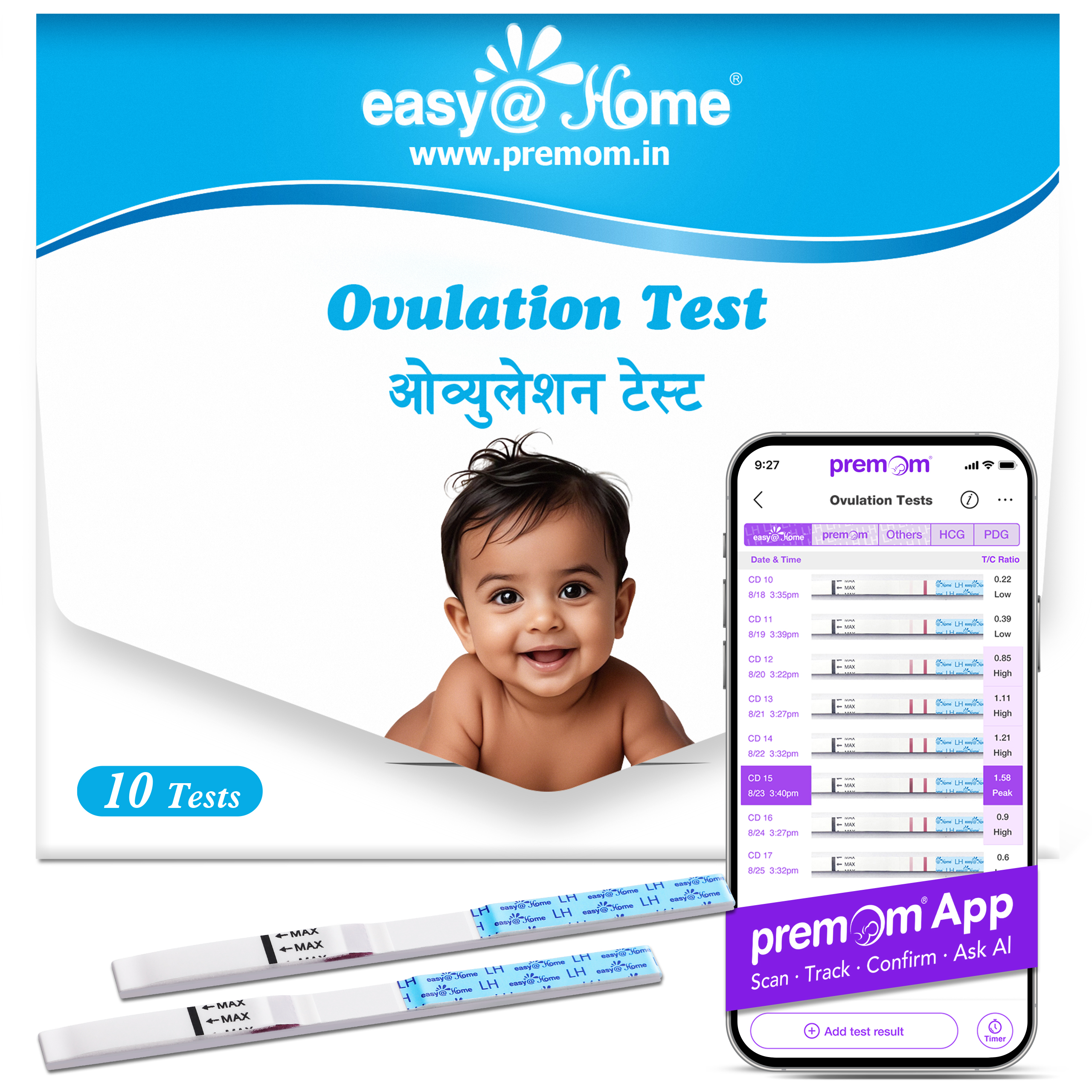
If you are trying to conceive naturally, tracking your ovulation can really help. Start tracking your cycles and fertile days here. Premom App
FAQ’s (Frequently Asked Questions) – Can Perfume Affect Fertility
Perfume itself isn’t a major risk. But some perfumes contain chemicals called phthalates that can affect hormones in both men and women. Over time, high exposure may subtly impact ovulation, egg quality, or sperm health. Using phthalate-free or natural scents is an easy way to reduce exposure.
There isn’t a specific scent that can boost fertility. The safest approach is to use phthalate-free or natural fragrances. This helps lower chemical exposure while still letting you enjoy your favorite scent.
You don’t need to completely stop using perfumes, but it’s a good idea to limit strong fragrances during pregnancy. Your sense of smell may be heightened at this time, and some chemicals can pass on to the placenta. Choosing gentle, natural, or fragrance-free products is the safest way.
Regular use of perfume in small amounts is unlikely to harm your baby. The main concern is high exposure to endocrine-disrupting chemicals like phthalates. Minimising these chemicals by using safer products helps create a healthier environment for your baby
Some chemicals in perfumes, especially phthalates, can disturb hormone balance in men. Hormones like testosterone are important for ensuring healthy sperm. When hormones are affected, it may lower sperm count, reduce sperm movement (motility), and affect sperm quality.