
Progesterone plays a vital role in preparing the uterus for pregnancy and supporting a healthy pregnancy. But what happens when progesterone levels dip? Let’s dive into the world of low progesterone, decode its symptoms, and empower you with the knowledge you need on your fertility path.
What Is Progesterone?
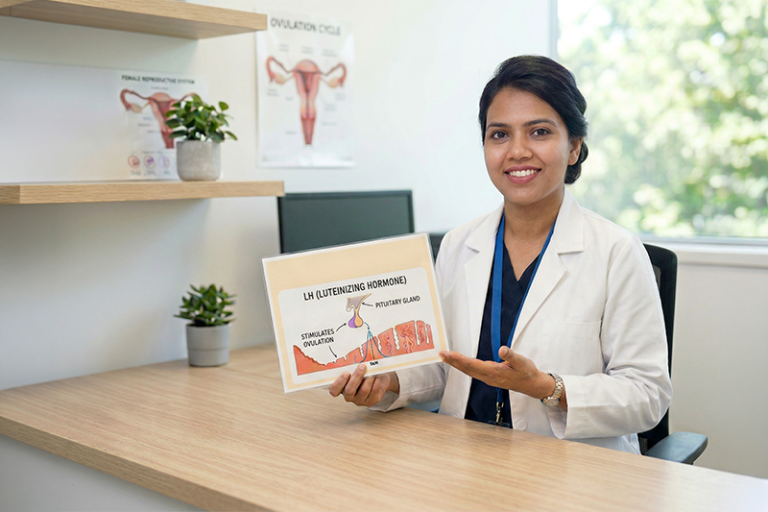
Progesterone is a hormone produced by the ovaries following ovulation. It plays a critical role in preparing the uterus for pregnancy and supporting the early stages of fetal development. Progesterone helps build and maintain the uterine lining, creating an optimal environment for the implantation and nourishment of a developing embryo. Progesterone in pregnancy is also important.
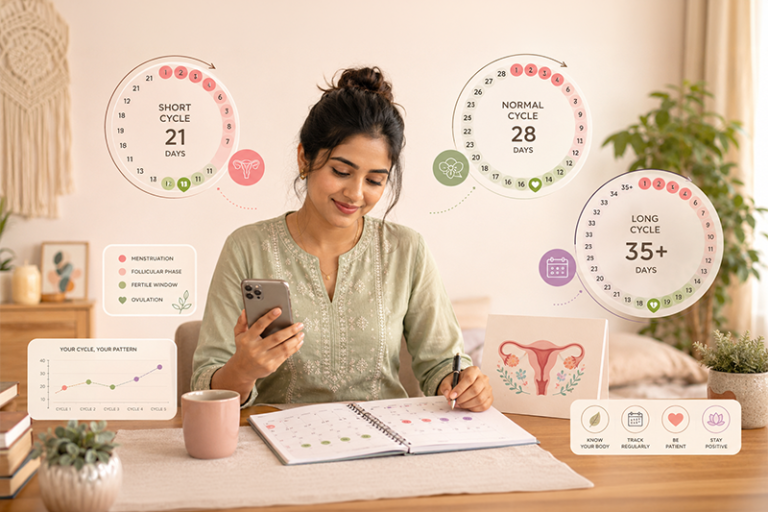
Its levels start to rise after ovulation and decline if pregnancy does not occur, leading to the shedding of the uterine lining during menstruation. Progesterone imbalance has implications for menstrual cycles, fertility, and pregnancy.
What Is Considered Low Progesterone?
Progesterone levels vary depending on the stage of the menstrual cycle and whether a person is pregnant or not. During the follicular phase, progesterone levels are expected to be low as levels increase after ovulation, during the luteal phase (the second half of the menstrual cycle). According to the University of Rochester Medical Center, the normal progesterone levels during the luteal phase are 2 to 25 nanograms per milliliter (ng/mL).
In general, a progesterone level below 2 ng/mL during the luteal phase is considered low. However, it’s important to note the interpretation of progesterone levels varies depending on the specific circumstances and the reference ranges used by different laboratories. It is always best to discuss your results with your provider.
Symptoms of Low Progesterone:
When progesterone levels are lower than optimal, various symptoms manifest. These symptoms vary from person to person, and the presence of one or more symptoms does not definitively indicate low progesterone. However, recognizing these signs is helpful in identifying a potential progesterone imbalance.
Here are some common symptoms that may indicate low progesterone levels:
- Irregular Periods: Low progesterone disrupts the regularity of your menstrual cycles. You may experience shorter or longer cycles, inconsistent cycle lengths, or even missed periods.
- Spotting: Light spotting or breakthrough bleeding before your period is one potential sign of low progesterone. This occurs due to an inadequately maintained uterine lining or insufficient hormone support.
- Heavy or Painful Periods: Some individuals with low progesterone may experience heavier or more painful periods. This can be attributed to hormonal imbalances affecting the menstrual flow.
- PMS Symptoms: Low progesterone levels contribute to intensified premenstrual syndrome (PMS) symptoms, including mood swings, irritability, bloating, breast tenderness, and food cravings.
- Difficulty Maintaining Pregnancy: Progesterone plays a crucial role in supporting early pregnancy. If you have recurrent miscarriages or struggle to maintain a pregnancy, low progesterone levels may be a factor.
- Fatigue and Low Energy: Some individuals with low progesterone may experience increased fatigue, low energy levels, and a general sense of exhaustion.
- Changes in Libido: Progesterone influences libido and sexual desire. Low progesterone levels result in a decreased sex drive or changes in sexual function.
- Sleep Disturbances: Progesterone has a calming effect on the body and promotes restful sleep. When levels are low, sleep disturbances such as insomnia or restless sleep may occur.
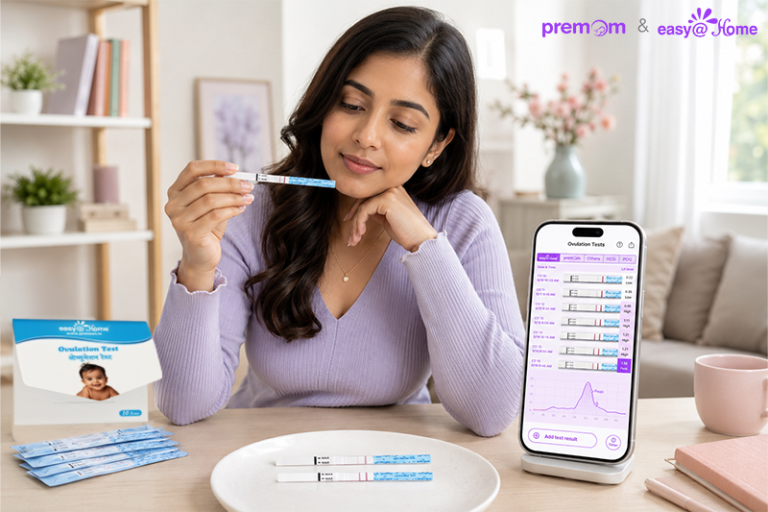
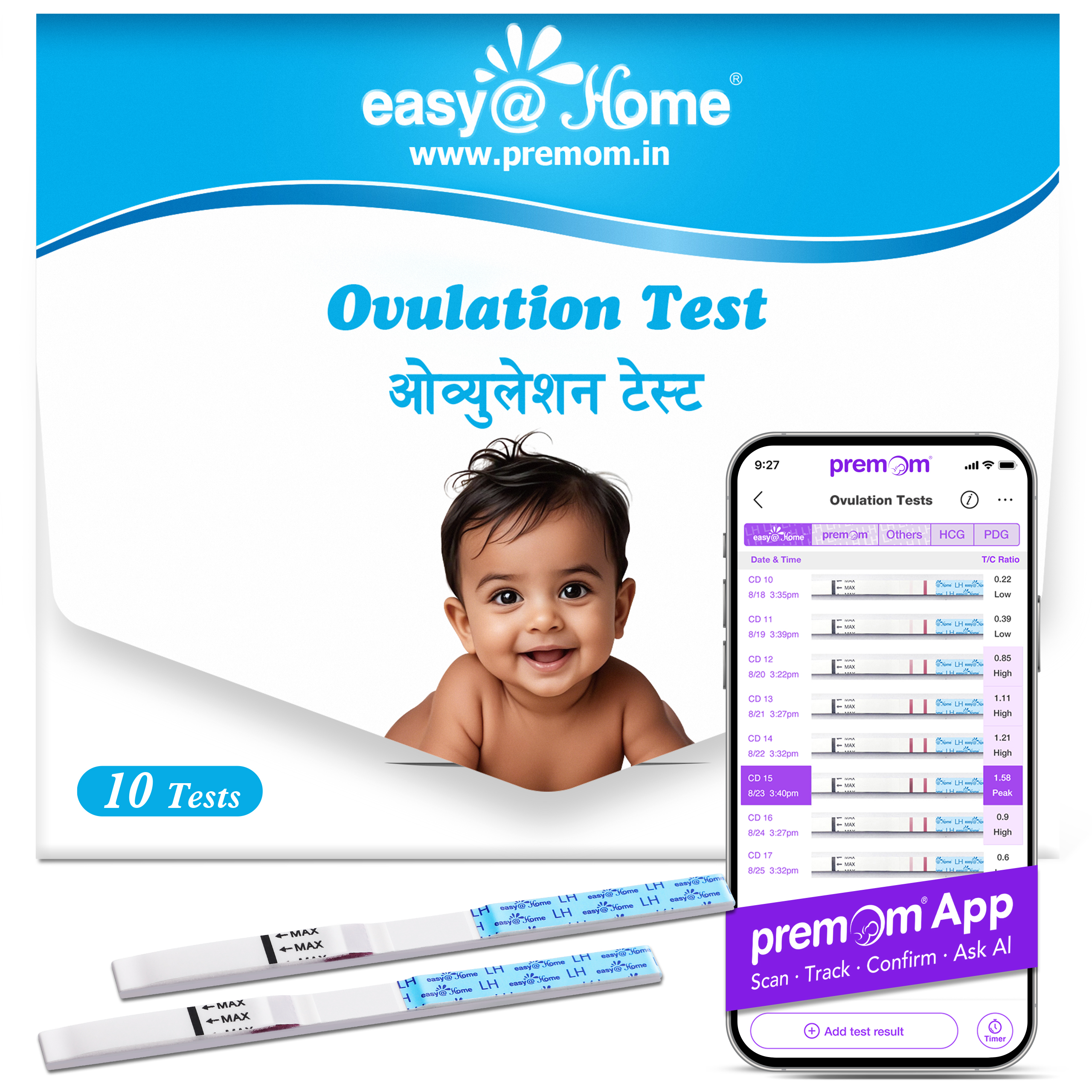
The Premom app is a great place to keep track of how you are feeling during your luteal phase and document any symptoms you have. As you reflect back on your cycle, you can identify any significant signs worth noting and discuss it with your provider.
What Affects Progesterone Levels?
Several factors affect progesterone levels in the body including…
- Menstrual Cycle: Progesterone levels fluctuate throughout the menstrual cycle. They rise after ovulation during the luteal phase and then decline if pregnancy does not occur. Low progesterone levels during this phase indicate an issue with ovulation or the corpus luteum.
- Pregnancy: Progesterone plays a vital role in supporting pregnancy. During pregnancy, progesterone levels increase significantly, primarily produced by the placenta. Low progesterone levels during pregnancy are a concern and may sometimes cause a potential problem with the pregnancy.
- Age: Progesterone production decreases as women age, particularly during perimenopause and menopause. This decline in progesterone is a natural part of the aging process.
- Hormonal Disorders: Certain hormonal disorders affect progesterone levels. Conditions such as polycystic ovary syndrome (PCOS) and hypothalamic amenorrhea disrupt the normal hormonal balance, leading to low progesterone levels.
- Stress: Chronic stress impacts hormone production and disrupts the normal menstrual cycle, leading to imbalances in progesterone levels.
- Medications and Treatments: Certain medications, such as hormonal contraceptives or fertility treatments, influence progesterone levels. These medications either raise or lower progesterone levels, depending on their specific mechanisms of action.
- Medical Conditions: Certain medical conditions, such as ovarian cysts, adrenal gland disorders, or thyroid imbalances, affect progesterone production and levels.
- Lifestyle Factors: Factors such as inadequate sleep, poor nutrition, excessive exercise, and obesity can influence hormonal balance, potentially impacting progesterone levels.
How to test for progesterone levels
Progesterone levels are tested through various methods to assess hormone levels in the body, the most common being either a blood or urine test.
Blood Test: A blood test is the most common method used to measure progesterone levels. A healthcare professional draws a blood sample, ideally seven days past your ovulation date during your luteal phase.
Urine Test: Urine progesterone tests are used to measure progesterone levels. Urine samples are collected and tested in the comfort of your own home, however, blood tests are more common as they can provide precise measurements of progesterone levels.
It’s important to note the timing of the test is crucial when measuring progesterone levels. For accurate results, progesterone levels are typically measured during the luteal phase of the menstrual cycle (usually around 7-10 days after ovulation).
Can You Get Pregnant with Low Progesterone Levels?
The short answer is low progesterone before pregnancy impact your fertility and make it more challenging to get pregnant. Progesterone plays a crucial role in preparing the uterus for implantation and supporting early pregnancy. If anovulation is the cause of low progesterone, it is impossible to get pregnant that cycle as no egg was released and no progesterone was produced.
When progesterone levels are low, it affects the quality of the uterine lining, which is necessary for a fertilized egg to implant successfully. Without an optimal uterine environment, the chances of successful implantation and pregnancy decrease.
Although, it’s important to note that low progesterone levels alone may not be the sole factor affecting fertility. Fertility is a complex interplay of various hormones and factors, including ovulation, sperm health, fallopian tube function, and overall reproductive health. If you believe you have signs of low progesterone, discuss your concerns with your physician to prevent any potential delays or difficulties while trying to conceive.
Natural Ways To Increase Progesterone Levels
Although it is important to discuss your progesterone results and plan of treatment with your provider, there are a few lifestyle modifications to help naturally support your progesterone levels.
- Maintain a Balanced and Nutrient-Rich Diet: Eating a well-balanced diet that includes a variety of whole foods can support hormonal balance. Focus on consuming adequate protein, healthy fats, and a variety of fruits and vegetables. Include foods rich in nutrients like vitamin B6, zinc, magnesium, and vitamin C such as leafy greens, avocados, nuts and seeds, fish, and citrus fruits.
- Manage Stress Levels: Chronic stress can disrupt hormone balance, including progesterone levels. Incorporate stress management techniques into your daily routine, such as meditation, deep breathing exercises, yoga, or engaging in activities you enjoy. Prioritize self-care and find healthy outlets for stress relief.
- Get Sufficient Sleep: Aim for a consistent sleep schedule and prioritize quality sleep. Lack of sleep impacts hormone production and disrupt the menstrual cycle.
- Regular Exercise: Engage in regular physical activity, as it helps regulate hormones and support overall well-being. Find activities you enjoy and incorporate them into your routine. However, excessive exercise can have the opposite effect, so find a balance that works for you.
Remember, each individual’s journey is unique, and the path to conception may require personalized interventions such as progesterone support. Maintain open communication with your healthcare provider, share your concerns, and actively participate in creating a tailored plan for achieving your fertility goals.
It’s a great idea to keep a log of what you are experiencing during your cycle. Utilize the free Premom app to keep track of any signs you may be feeling in both the follicular and luteal phase, it’s a great place to keep everything together (ovulation tests, symptoms, BBT, etc) for you to easily see the bigger picture.
While the symptoms mentioned can be indicative of low progesterone, it’s essential to consult with a healthcare professional for accurate assessment and diagnosis. By recognizing the potential signs and seeking appropriate guidance, you take an active role in optimizing your hormone balance and enhancing your chances of conceiving.

Medically Reviewed by Dr. Patti Haebe, Senior Medical Advisor
References
American Pregnancy Association. (2022, July 21). Progesterone. Retrieved from https://americanpregnancy.org/pregnancy-health/progesterone/
Mayo Clinic. (2021, August 14). Progesterone (Oral Route, Parenteral Route). Retrieved from https://www.mayoclinic.org/drugs-supplements/progesterone-oral-route-parenteral-route/description/drg-20067197
Santoro, N., & Gibson, D. (2017). Progesterone and Progestins: Basic Physiology and Clinical Application. In J. L. Jameson, L. J. De Groot, D. de Kretser, & G. Giudice (Eds.), Endocrinology: Adult and Pediatric (7th ed., pp. 1788-1803). Elsevier.
The Practice Committee of the American Society for Reproductive Medicine. (2008). Progesterone supplementation during the luteal phase and in early pregnancy in the treatment of infertility: an educational bulletin. Fertility and Sterility, 90(5 Suppl), S188-S193.University of Rochester Medical Center. (2020, July 16). Female Reproductive System. Retrieved from https://www.urmc.rochester.edu/encyclopedia/content.aspx?contenttypeid=85&contentid=P00772