Tooth pain during pregnancy can happen due to hormonal changes, especially rising estrogen and progesterone. These hormones may increase blood flow to the gums and make them more sensitive to plaque, causing swelling, tenderness, and bleeding.
Pregnancy can also increase the risk of cavities and enamel erosion, especially if there is frequent vomiting, acid reflux, or more sugary food intake. Safe relief includes gentle brushing, flossing, warm salt water rinses, and visiting a dentist during pregnancy. ACOG states that prevention, diagnosis, and treatment of oral conditions are safe during pregnancy, and urgent dental problems should not be delayed.
Why does tooth pain happen during pregnancy?

Pregnancy changes many things in your body. These changes can affect your mouth and lead to a sudden toothache. Hormonal changes can make your gums more sensitive, swollen, or likely to bleed.
Hormonal changes and their effect on teeth and gums
During pregnancy, your body produces higher levels of estrogen and progesterone. These hormones increase blood flow to the gums, making them more sensitive to plaque and food particles that collect around the teeth.
Calcium deficiency during pregnancy and tooth damage
In India, many women do not get enough calcium. Since your growing baby needs calcium to build strong bones, a low-calcium diet may affect your overall health and weaken your teeth, increasing the risk of tooth decay and dental problems.
Morning sickness and enamel erosion: the acid connection

When you vomit during pregnancy, stomach acid can touch your teeth. This acid can slowly wear down the hard outer layer of the teeth, called enamel. If morning sickness happens often, your teeth become more sensitive, leading to tooth pain. You might feel sharp pain when eating or drinking something cold, hot, or sweet.
Can pregnancy cause cavities?
Pregnancy does not directly create holes in your teeth. However, changes in your diet, morning sickness acid, and missing your nightly brushing due to a strong gag reflex can lead to new cavities.
Pregnancy and oral health: common teeth and gum problems
Hormones can bring about a few common dental problems in pregnancy. Many women face these issues during their trimesters.
Table 1: Common dental problems during pregnancy
| Condition | Cause | Symptoms | Safe treatment | When to see a dentist |
| Pregnancy gingivitis | High hormones increase blood flow | Red, swollen, bleeding gums | Soft toothbrush, salt water rinse | If bleeding lasts over 2 weeks |
| Gum recession | Severe swelling and plaque build-up | Teeth look longer, gum sensitivity | Gentle brushing, alcohol-free wash | Any visible gum line pulling back |
| Tooth decay | Acid from vomiting and low calcium | Toothache, sweet or cold sensitivity | Dental filling (safe in 2nd trimester) | If pain is constant or keeps you awake |
| Pregnancy tumour | Strong gum reaction to plaque | Red, bleeding lump on your gums | Keep the area clean; resolves after birth | If the lump grows large or hurts |
How to relieve gum pain during pregnancy
Finding safe ways to soothe your mouth is important for your comfort and your baby’s health.
Safe home remedies for tooth pain during pregnancy
To ease mild tooth pain during pregnancy, start with gentle home care that is safe and easy to follow.
- Warm salt water rinse: Mix half a teaspoon of salt into warm water. Rinse your mouth a few times a day to lower swelling.
- Clove oil: Put one drop of clove oil on a cotton swab. Touch it only to the aching tooth. Keep it off your sensitive gums.
- Brush with care: Use a toothbrush with very soft bristles so you do not hurt your gums.
How to stop gum recession during pregnancy
If your gums look like they are pulling away from your teeth, this is called recession. Recession means the gum line moves back and exposes more of the tooth. During pregnancy, this can happen or worsen because of pregnancy gingivitis.
Pregnancy gingivitis means gum swelling, redness, tenderness, or bleeding caused by hormone changes and plaque buildup. Plaque is a sticky layer of bacteria that forms on the teeth. Keeping plaque away by brushing gently twice a day, flossing carefully, and visiting your dentist can help reduce gum inflammation and may stop recession from getting worse.
Bleeding gums during pregnancy: When to see a dentist
It is normal for your gums to bleed a little when you brush. However, you should see a doctor if the bleeding is heavy or if your teeth feel loose.
How to protect your teeth during pregnancy
A regular daily routine is the best way to prevent dental issues from hurting your smile.
Pregnancy dental care routine: daily habits
- Brush your teeth twice a day with a fluoride toothpaste for two minutes.
- Floss once a day to clean the tight gaps between your teeth.
- Use a gentle, alcohol-free mouthwash to kill bacteria.
Diet for healthy teeth during pregnancy: Calcium and vitamin D foods
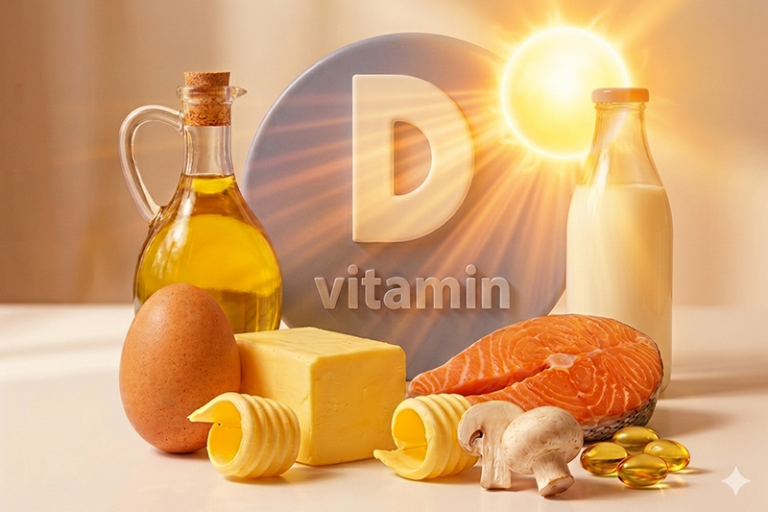
Your teeth and bones need nutritional support from within during pregnancy. Include calcium-rich foods such as milk, curd, paneer, ragi, leafy greens, almonds, and fortified foods. Vitamin D helps your body absorb calcium, so safe morning sunlight and vitamin D-rich foods like fortified milk, eggs, and fatty fish also help.
If your diet or vitamin D levels are low, your doctor may suggest a calcium supplement or a vitamin D supplement. Avoid starting supplements on your own because the right dose depends on your blood levels, diet, and pregnancy needs. ACOG recommends 1,000 mg of calcium daily for pregnant women aged 19 to 50 years and 600 IU of vitamin D daily.
Is losing teeth a pregnancy symptom?
An old myth says that a mother loses a tooth for every baby she has. This is not true.
How often do teeth fall out during pregnancy?
Teeth do not fall out as a normal part of being pregnant. During pregnancy, high estrogen and progesterone levels may temporarily loosen the tissues and bones that hold the teeth in place. However, if a tooth becomes very loose or falls out, it may be linked to untreated cavities or severe gum disease, also called periodontitis.
March of Dimes notes that untreated gingivitis can progress to periodontal disease, which can affect the bones supporting the teeth and may lead to loose teeth or tooth extraction.
Table 2: Pregnancy dental myths vs facts
| Common myth | The fact | Source |
| Dental X-rays harm the baby. | X-rays with a protective lead apron that shields the abdomen and thyroid are perfectly safe at any stage. | ACOG, ADA |
| Teeth always fall out. | Healthy teeth do not fall out. Loss only happens with severe gum disease. | March of Dimes |
| The baby steals calcium from teeth. | The baby gets calcium from your food and your bones, not your teeth. | NIH |
Safe dental treatment during pregnancy: Myths vs facts
Fear keeps many pregnant women away from the dental clinic. However, leaving an infection alone can hurt your health more than a checkup.
Table 3: Dental treatment safety by trimester
| Trimester | Weeks | Safe dental treatments | What to avoid |
| First trimester | 1–12 | Routine cleanings, urgent pain relief, and emergency X-rays. | Long elective work, general anaesthesia. |
| Second trimester | 13–28 | All routine dental work, fillings, and deep scaling. | Prolonged procedures. |
| Third trimester | 29–40 | Quick cleanings, emergency fillings, urgent care. | Lying completely flat for a long time. |
Calcium deficiency and teeth during pregnancy
Your baby uses a large amount of calcium to grow. If you do not consume enough, your own body’s nutrient levels will drop.
Signs of calcium deficiency in pregnancy affecting your teeth
Watch out for teeth that suddenly feel very sensitive to cold air or water. White spots on your teeth can also indicate that your enamel is weakening.
Best calcium-rich foods for teeth during pregnancy in India
- Dairy products: Fresh milk, homemade curd, and unsweetened paneer.
- Dals and pulses: Whole moong, rajma, and black dals.
- Millets: Ragi is an excellent grain for building strong bones and teeth.
- Green leafy vegetables: Moringa (drumstick) leaves are packed with calcium.
How Premom helps you track pregnancy nutrition and dental health
Staying on top of your health while pregnant can feel overwhelming. Premom simplifies this process for you. The pregnancy mode lets you track your daily food and vitamin intake so you can make sure you get enough calcium.
The app helps you record symptoms like tooth sensitivity or bleeding gums during pregnancy. You can set reminders for your dental checkups and read helpful articles about maternal care. This keeps you informed and confident about your health journey.
Download the Premom app today to track your pregnancy symptoms and manage your prenatal health naturally.
Key takeaways
- Tooth pain during pregnancy happens because of hormone changes, swollen gums, acid from morning sickness, and increased calcium needs.
- Dental X-rays are safe during pregnancy if you wear a lead apron. The idea that they harm the baby is a myth.
- Calcium deficiency during pregnancy is common in India and can make your teeth weak.
- Gum recession during pregnancy is usually temporary. Good brushing habits prevent permanent damage.
- Teeth do not just fall out due to pregnancy. If a tooth comes loose, it is a sign of severe, untreated gum disease.
Frequently asked questions about tooth pain during pregnancy
Tooth pain during pregnancy is usually caused by shifting hormones that make your gums swell and bleed. Acid from morning sickness and a lack of calcium can also weaken your enamel and cause pain.
You can rinse your mouth with warm salt water to ease the pain. Use a very soft brush and be gentle around the sore areas. You can also apply a drop of clove oil to the specific tooth that hurts.
Brush your teeth twice a day with a fluoride toothpaste and floss daily. Eat a diet high in calcium and look after your gums to prevent pregnancy gingivitis.
Pregnancy does not cause cavities directly. However, morning sickness acid and eating more sweet snacks can increase your risk of tooth decay if you do not clean your teeth well.
No, losing teeth is not a normal symptom. It only happens if you have a severe, deep gum infection that has been left untreated for a long time.
To stop your gums from receding, keep your teeth free of plaque. Brush gently at the gum line and use an alcohol-free mouthwash to stop swelling.
Yes, routine dental work like cleanings and fillings is safe. The best time for treatment is during your second trimester. Always tell your dentist that you are pregnant.
A lack of calcium and Vitamin D can cause teeth problems. Your baby needs these nutrients to grow, so you must get enough through your food to protect your own teeth.
Disclaimer: Premom provides educational information and tracking tools. It is not medical advice. For medical guidance, consult a healthcare professional. Premom’s Ask AI is purely informational and educational and is not a substitute for professional medical advice, diagnosis, or treatment of any kind.
References
- American College of Obstetricians and Gynaecologists. Oral health care during pregnancy and through the lifespan. ACOG Committee Opinion No. 569. 2013; reaffirmed 2023. https://www.acog.org/clinical/clinical-guidance/committee-opinion/articles/2013/08/oral-health-care-during-pregnancy-and-through-the-lifespan
- National Institute of Arthritis and Musculoskeletal and Skin Diseases. Pregnancy, Breastfeeding, and Bone Health. National Institutes of Health. Reviewed May 2023. Accessed May 20, 2026. https://www.niams.nih.gov/health-topics/pregnancy-breastfeeding-and-bone-health
- March of Dimes. Dental health during pregnancy. March of Dimes. Last reviewed February 2023. Accessed May 20, 2026. https://www.marchofdimes.org/find-support/topics/pregnancy/dental-health-during-pregnancy