A miscarriage can be a difficult experience, both physically and emotionally. If you are trying to conceive or have recently had a pregnancy loss, you might have questions. What is a miscarriage? Why does it happen? How long does recovery take?
This guide helps you understand miscarriage and makes it easier to talk with your healthcare provider.
What is a miscarriage?
A miscarriage means losing a pregnancy before 20 weeks. Most miscarriages happen in the first trimester, which is before 12 weeks.
- Losing a pregnancy at 1 or 2 months usually means the loss happened very early on.
- A miscarriage at 3 months often happens near the end of the first trimester.
- Losing a pregnancy at 4 or 5 months is less common and is considered a later pregnancy loss.
Miscarriage happens more often than many people think. Research shows it occurs in about 10 to 20 percent of known pregnancies. Many miscarriages happen before someone knows they are pregnant. Early and later miscarriages can look different when it comes to bleeding, pain, and recovery.
What causes a miscarriage?
Many people wonder why miscarriages happen. In most early cases, it is not because of anything you did or did not do.
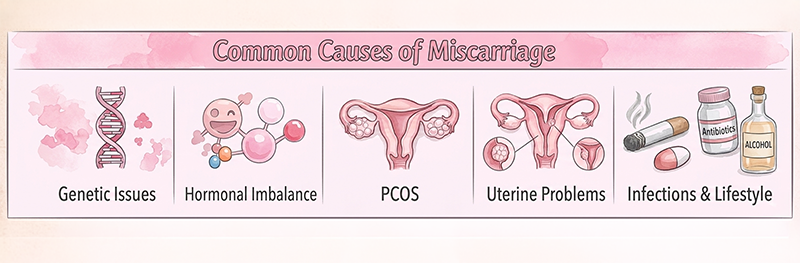
Common reasons for miscarriage may include:
| Possible Cause | What It Means |
| Chromosomal abnormalities | The embryo may have genetic changes that prevent healthy development. |
| Hormonal imbalance | Low progesterone or other hormone changes can affect pregnancy support. |
| PCOS | Polycystic ovary syndrome can sometimes increase the risk due to hormone imbalance. |
| Thyroid disorders | An overactive or underactive thyroid may interfere with pregnancy hormones. |
| Uterine abnormalities | Structural differences in the uterus may affect implantation. |
| Sexually transmitted infections | Certain infections, like chlamydia, gonorrhea, and syphilis, may interfere with pregnancy. |
| Lifestyle risk factors | Smoking, heavy alcohol use, or uncontrolled medical conditions may contribute. |
Often, why miscarriage happens cannot be clearly identified. One miscarriage does not automatically mean future pregnancy loss.
Signs and symptoms of miscarriage
Miscarriage symptoms are different for everyone. Some people have mild symptoms, while others notice greater changes.
Common signs of miscarriage include:
- vaginal bleeding
- miscarriage blood clots
- cramping similar to strong period pain
- lower back pain
- passage of miscarriage tissue
Early miscarriage symptoms at 2 weeks
A very early pregnancy loss can seem like a heavier or delayed period. Some people may not realise they were pregnant.
Miscarriage symptoms at 8 weeks
Around 8 weeks, bleeding can be heavier and may include clots. Cramping might be stronger than normal period cramps.
If you have very heavy bleeding (soaking more than one pad per hour), severe pain, dizziness, or fainting, get medical help right away.
Miscarriage bleeding – What is expected?
Bleeding from a miscarriage often starts as spotting and can get heavier over time.
Light vs heavy bleeding
- Light spotting may last a few days.
- Heavier bleeding can happen as the uterus clears itself.
Miscarriage blood clots
Blood clots can be different sizes. Some are small, while others are larger, especially with later miscarriages.
How long do you bleed after a miscarriage?
For many people, bleeding after a miscarriage lasts about 7 to 14 days. Light spotting can last a little longer. If you are wondering how long bleeding lasts after a miscarriage, most people fall within this range. If heavy bleeding continues, talk to your healthcare provider.
What happens after a miscarriage?
After a miscarriage, your body goes through both hormonal and physical changes.
Hormonal drop
Pregnancy hormones, especially human chorionic gonadotropin (hCG), start to decline. This may take several weeks.
Post miscarriage symptoms
You might notice:
- Breast tenderness decreasing
- Fatigue
- Mild cramping
- Emotional shifts such as sadness, relief, confusion, or anxiety
These changes are part of the body’s adjustment process.
How long does it take to recover after a miscarriage?
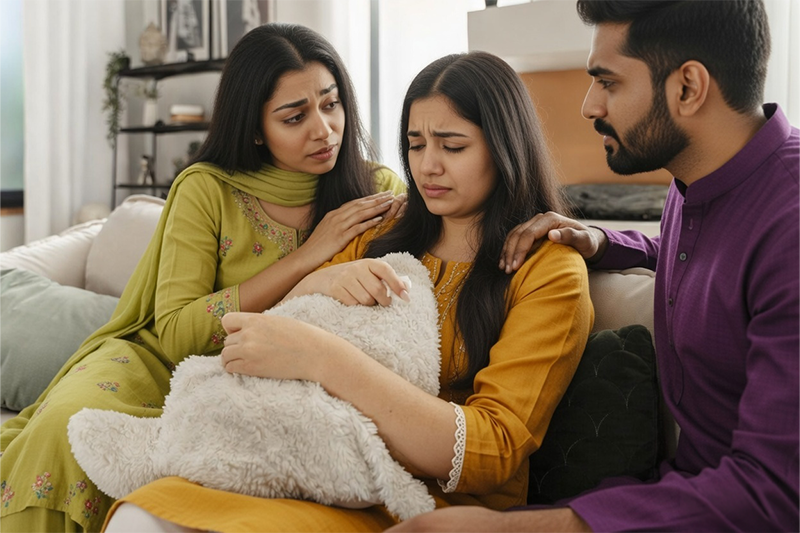
Miscarriage affects you physically and emotionally. Your body often starts to recover within a few weeks, but recovery time depends on how far along the pregnancy was, your hormone levels, and overall health.
Emotional healing can take longer, and that is normal. Grief looks different for everyone, and there is no right or wrong timeline.
Having one miscarriage does not mean you cannot have a healthy pregnancy in the future. Many women go on to conceive naturally and have healthy pregnancies.
Physical recovery timeline
First 24 – 48 hours
Heavier bleeding and cramping often occur as the uterus clears.
Week 1
Bleeding may continue but gradually decrease. Energy levels may still be low.
Weeks 2 – 4
Spotting usually stops during this time, and hCG levels continue to decline.
Period return (4 – 8 weeks)
For many, the next menstrual cycle returns within 4 to 8 weeks.
The uterus often heals within a few weeks. Hormone balance may take longer.
Emotional recovery
Emotional healing does not follow a set timeline. Some people feel ready to move forward quickly, while others need more time. Grief after miscarriage is real and valid. Support from partners, friends, counsellors or support groups can help.
How to heal your uterus after a miscarriage?

The uterus often heals naturally. Self care for healing includes:
- rest during heavier bleeding
- eating iron-rich foods (such as spinach, beans, lean meats)
- staying hydrated
- avoiding intercourse until bleeding stops
- avoiding tampons during recovery
- following medical advice if medication was prescribed
If you are wondering how to clean the uterus after a miscarriage at home, know that home remedies are not recommended. The uterus usually clears on its own. If tissue remains, a healthcare provider may suggest treatment such as Dilation and Curettage (D&C).
Signs of infection after a miscarriage
Infection is uncommon but possible. Seek medical care if you notice:
- fever after miscarriage
- foul-smelling vaginal discharge
- severe abdominal pain
- heavy bleeding that does not slow down
- feeling weak or dizzy
Early care helps prevent complications.
When can you try to conceive again after a miscarriage?
Many couples wonder about conceiving after a miscarriage and when to try again. Ovulation can return as soon as 2 to 4 weeks after a miscarriage. Many healthcare providers recommend waiting until after your first normal period. This helps track your cycle and date a future pregnancy.
Important factors include:
- physical recovery
- emotional readiness
- doctor guidance
- understanding ovulation timing
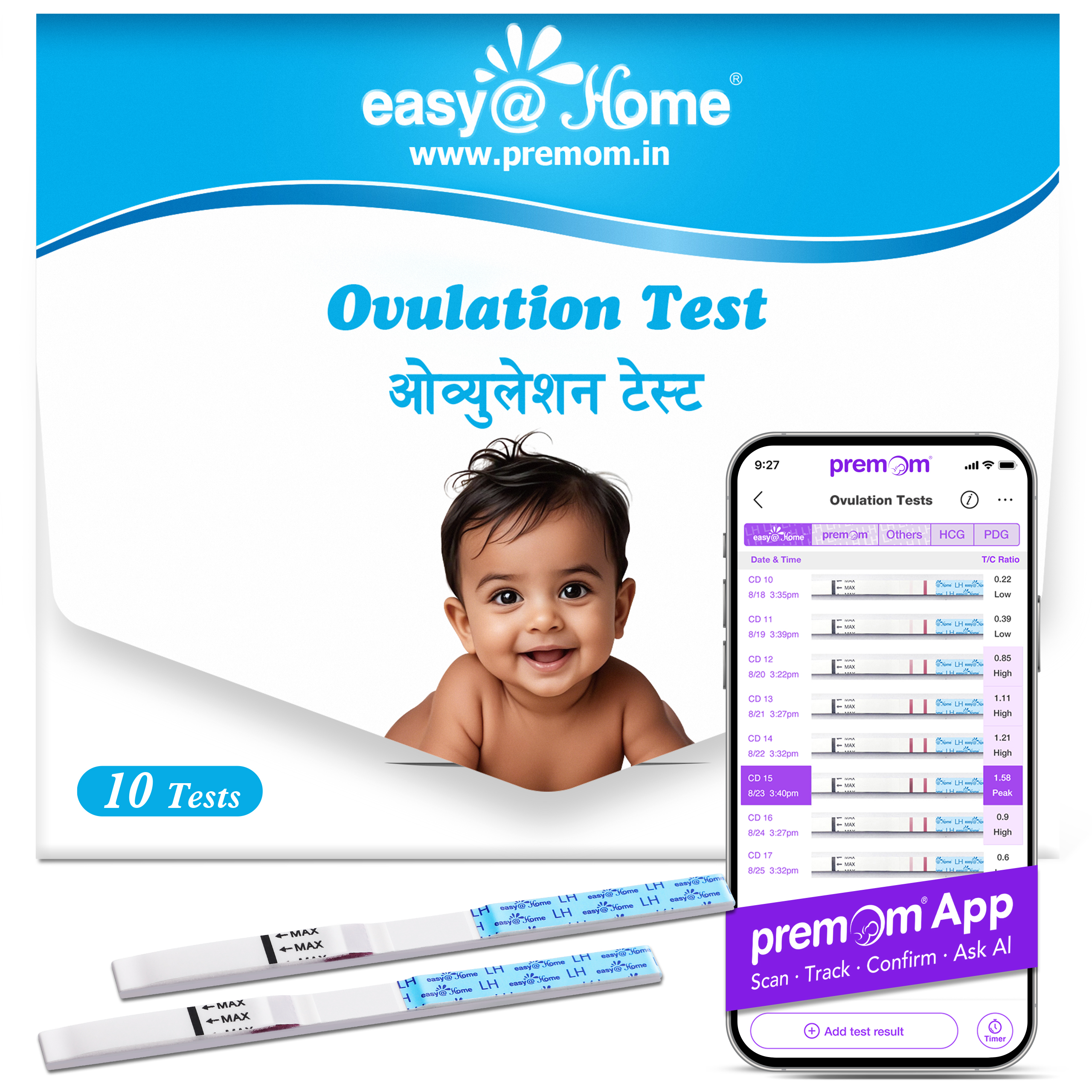
Tracking cycles with ovulation predictor kits with basal body temperature can support awareness when trying again.
FAQs – about miscarriage
For many people, bleeding lasts about 7 to 14 days, but light spotting can last a little longer.
Physical healing often occurs within a few weeks. Hormonal balance may take up to 4 to 8 weeks.
Yes, many people conceive again. Ovulation may return within a few weeks.
Avoid intercourse and tampons until bleeding stops. Follow your healthcare provider’s instructions.
The uterus usually clears naturally. Home remedies are not advised. Medical care may be needed if tissue remains.
Rest is important during the first few days. Gradually return to activity as you feel stronger.
References
- American College of Obstetricians and Gynecologists – Early Pregnancy Loss
https://www.acog.org/womens-health/faqs/early-pregnancy-loss - Mayo Clinic – Pregnancy loss (miscarriage)
https://www.mayoclinic.org/healthy-lifestyle/getting-pregnant/in-depth/pregnancy-after-miscarriage/art-20044134 - National Institutes of Health – Miscarriage (MedlinePlus)
https://medlineplus.gov/miscarriage.html