


Sex is quite literally the key to conception and getting pregnant. While it’s common to hear advice like, “Just have a lot of sex and you’ll get pregnant fast,” or, “The more sex you have the faster you’ll get pregnant,” it’s not always that simple..
After making the monumental decision to have a baby, women often feel a sense of urgency to conceive as quickly as possible. Luckily, there are several things you can do to maximize fertility and improve your chances of getting pregnant — and that means being smart about when and how you have intercourse.
Top Five Sex Tips to Get Pregnant
If you’re reading this article, you’ve likely read up on things to know if you’re having sex to get pregnant. You’ve also likely found articles that reveal the best sex positions to conceive a baby or answer questions like: What sexual positions are best for getting pregnant?
The truth is, getting pregnant quickly is more about the timing of sex, than it is about having unprotected sex, your sexual positions, or your creativity in the bedroom. In fact, it’s only possible to get pregnant a select number of days during your cycle.
1. Use Ovulation Predictor Kits
Ovulation tests (aka LH strips) are the best way to predict when ovulation occurs, and the best way to know when to time intercourse for conception.
They are easy-to-use strips that you dip into your afternoon urine starting the day after your period ends. This allows you to identify the luteinizing hormone (LH) that surges to trigger ovulation. As ovulation approaches, the control line on the strips become darker. You want to find the darkest day, also referred to as your “LH peak day.” You’ll typically ovulate around 24-36 hours after an LH peak.
Other ovulation tracking methods include:
- Recording your basal body temperature (BBT) daily. Your BBT rises after successful ovulation due to the rise in the hormone progesterone.
- Logging cervical mucus (CM). You’re looking for stretchy, egg white consistency mucus as you approach your fertile window.
2. Have Sex at the Right Time
Timing intercourse in relation to ovulation has a huge impact on your ability to conceive. Research has shown that the majority of pregnancies occur when intercourse is performed during a six-day period, ending on the day of ovulation (fertile window).
To increase your chances of getting pregnant, it’s ideal to have sex during your fertile window specifically targeting your LH peak day and ovulation day. An egg only lives for around 24 hours, but sperm can live up to 5 days in your reproductive tract, so you want sperm to be present in the uterus before the egg is released and at the time of release.
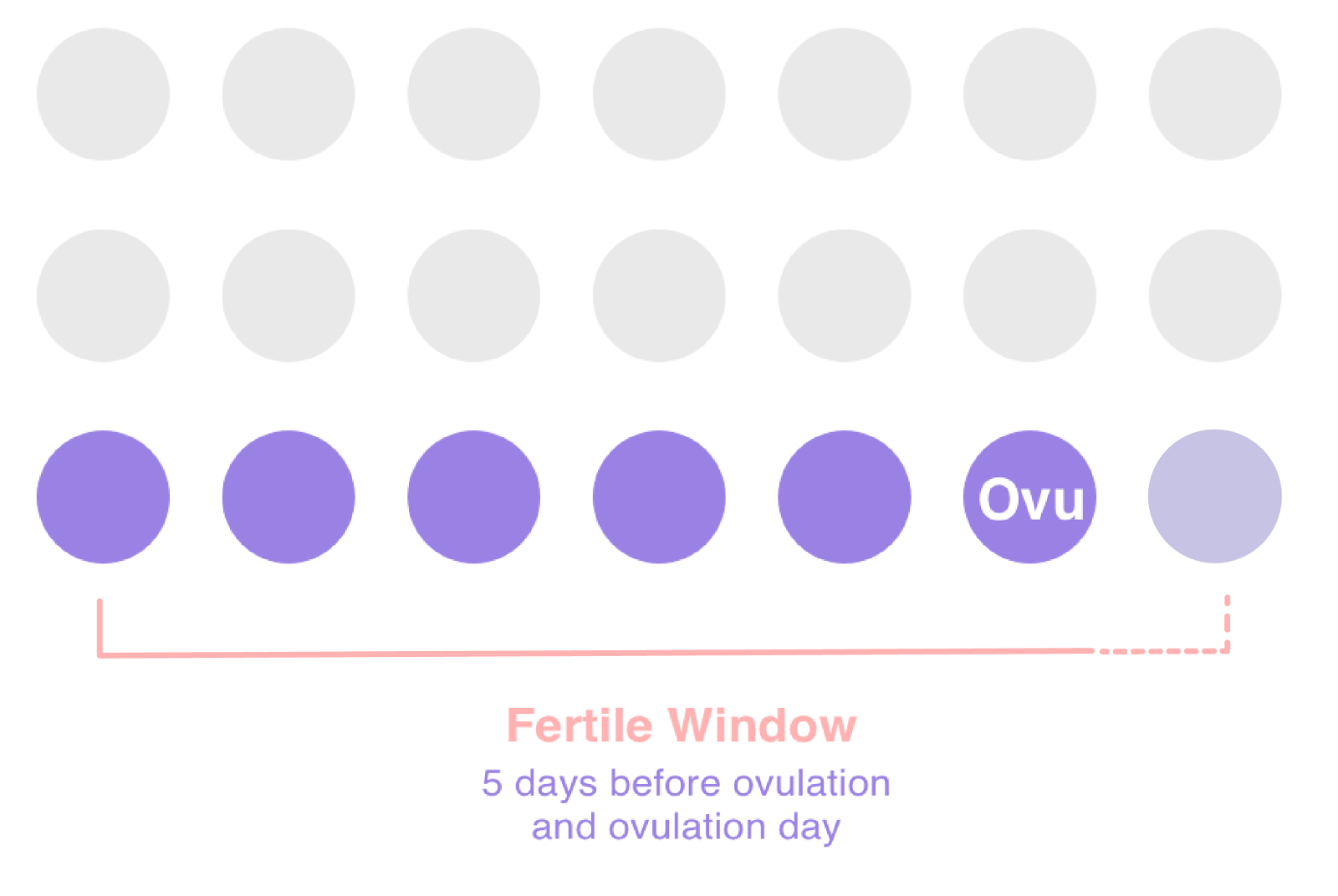
Track your LH levels daily in the Premom app and use our smart technology to get an accurate prediction of your fertile window based on your cycle length and LH fluctuations. This way you’ll know when to begin timing intercourse.
3. Have Sex at Least Every Other Day in Your Fertile Window
If your partner has no known issues with male fertility, you can have sex every day if you want. Here’s a secret: Keep sex fun and enjoy your partner.
Trying to conceive, especially when you don’t get pregnant right away, can become redundant and even obligatory over time. Long stretches between sexual encounters can make it feel more difficult to reconnect.
Studies have shown that the more often you connect emotionally and intimately with your partner, the more enjoyable it is to maintain intimacy. Be intentional about staying connected with your partner and focus on little ways you can show them you care. And be sure to nurture intimacy in your relationship beyond your fertile window.
4. Use a Fertility Friendly Lubricant Only if You Need One
During sex, natural lubrication like cervical mucus is best, but sometimes lubricants can be helpful to provide added comfort. It’s important to do your homework when choosing a lubricant.
- Some lubricants can have adverse effects on sperm health — saliva, olive oil, and drugstore brand lubricants are not fertility friendly.
- Look for lubricants made specifically for fertility, from a trusted fertility brand. These are hydroxyethyl cellulose based lubricants that are considered safe for sperm.
5. Keep Sex in the Bedroom and Out of the Tub.
We get it. Hot tubs, bathtubs, soaps, and hot water are sexy. But they all negatively affect sperm quality and potentially change pH or introduce infection.
While water washes away some semen, you can still shower after sex while trying to get pregnant. During sex, stick to the bedroom. Soaps used in showers and baths change the pH of your vagina and lead to dysbiosis, which can impact female fertility or impact semen survival as sperm make the journey through the cervix and into your uterus.
Hot tubs are also a big no-no due to bacteria and chemicals. Repeated hot water soaking impacts male and female fertility, especially a male’s sperm production, so feel free to soak your feet but keep prolonged hot tubbing experiences to a minimum — and again, take it to the bedroom!
Sex and Getting Pregnant
When trying to conceive, the best sex tips are those that work best for you and your partner. Keeping things fun, enjoyable, and stress-free while staying within your fertile window is the key to conceiving.
Remember to use the Premom app to track all things fertility — log your ovulation tests, track your BBT and CM, and log your intercourse — so you can have sex at the right time and get pregnant naturally.
References
- Basal body temperature, ovulation and the risk of conception, with special reference to the lifetimes of sperm and egg J P Royston PMID: 7115870
- Dunkin MA. Sperm: How Long Sperm Live, Sperm Count, and More. WebMD. Accessed September 19, 2023. https://www.webmd.com/infertility-and-reproduction/sperm-and-semen-faq
- Godbert S, Miro F, Shreeves C, Gnoth C, Johnson S. Comparison between the different methods developed for determining the onset of the LH surge in urine during the human menstrual cycle. Archives of Gynecology and Obstetrics. 2015;292(5):1153-1161. doi:https://doi.org/10.1007/s00404-015-3732-z
- Wilcox AJ, Weinberg CR, Baird DD. Timing of Sexual Intercourse in Relation to Ovulation — Effects on the Probability of Conception, Survival of the Pregnancy, and Sex of the Baby. New England Journal of Medicine. 1995;333(23):1517-1521. doi:https://doi.org/10.1056/nejm199512073332301
- Su HW, Yi YC, Wei TY, Chang TC, Cheng CM. Detection of ovulation, a review of currently available methods. Bioengineering & Translational Medicine. 2017;2(3):238-246. doi:10.1002/btm2.10058
- Mackenzie SC, Gellatly S. Vaginal lubricants in the couple trying-to-conceive: Assessing healthcare professional recommendations and effect on in vitro sperm function. PLOS ONE. 2019;14(5):e0209950. doi:10.1371/journal.pone.0209950ture, ovulation and the risk of conception, with special reference to the lifetimes of sperm and egg J P Royston PMID: 7115870