

Today, it is estimated that near 50 million women worldwide use some form of period tracking application. The main reasons are for health tracking and fertility tracking.
Did you know your uterine lining is important to your fertility?
The lining of the uterus thickens and then thins over a menstrual cycle. In a typical menstrual cycle, estrogen made by the maturing ovarian follicle causes the uterine lining to thicken by about 5mm, leading up to the first day of menstruation.
During menstruation, hormone changes cause the uterine lining to shed from the wall of the uterus and cause menstrual bleeding. The thickness of the uterine lining will decrease due to the shedding, and the menstrual bleeding will continue until clotting factors and hormone changes stop the bleeding and restart building up the uterine lining again. Your menstrual cycle is this growing and shedding of the uterus lining.
Thus, the length and heaviness of your period are correlated with the thickness of uterine lining formed in the early phase of your menstrual cycle. The thicker your uterine lining is, the more uterine lining shedding that occurs during your period, and the heavier and longer your menstrual bleeding will be.
What does this mean for you and your pregnancy?
The thickness of the uterine lining is important to a woman’s fertility. To use the common metaphor of growing a garden; the soil must be sufficiently nourished for the seed to have success once it is planted. If you have a fairly light period that only lasts 3-4 days, it could be a sign that your uterine lining is not thick enough, which may limit the chances of getting pregnant. This is why during an IVF or IUI, a woman will be given different medications that will either directly or indirectly increase the thickness of uterine lining.
The optimal thickness of the uterine lining is between 10 and 15 mm with it reaching its maximum thickness at the time of implantation at around day 21 of a woman’s menstrual cycle. The growth of the uterine lining is dependent upon the quality of blood flow to the uterus as well as the effect of estrogen in improving uterine lining thickness.
How can you increase your chances of getting pregnant?
The treatment for women with a thin uterine lining is to increase blood flow to female reproductive organs, increase receptivity of the uterus to estrogen and to balance hormones. There are a variety of ways to help this.
1. Get enough rest
You need a minimum of 7 hours of restful, uninterrupted sleep to recharge your body and allow for optimal repair and growth to take place. Try to get to sleep and wake up at the same time every day, even on weekends. Your sleep and wake hormones influence your reproductive hormones so keep them balanced and your uterus will get the right message.
2. Exercise to increase blood flow.
Strive for 30 minutes per day of exercise that incorporates movement of the legs and hips such as yoga, walking, running, cycling, swimming, elliptical, or aerobics. If you are not used to doing exercise, then take it slow. Build up to a comfortable routine that elicits a light sweat to improve blood circulation to your hands and feet.
3. Massage the femoral artery.
This is done daily in the first half of a woman’s menstrual cycle to increase the blood flow to the uterus and female reproductive organs.
4. Reduce stress
It is recommended that women take time each day to relax, breathe and calm their mind. This can be done with yin style yoga, meditation, guided relaxation and prayer.
5. Improve your diet.
It is recommended to focus on a primarily whole food, high fiber diet and low glycemic foods. Eat at regular intervals throughout the day and stick to a routine. This helps to balance your insulin and cortisol hormones which have an indirect effect to balance reproductive hormones. Include more broccoli, Brussels sprouts, cabbage, collards, cauliflower, kale, kohlrabi, mustard greens, rapeseed, and root vegetables, such as turnips and rutabagas. These foods help the liver detoxify and restore hormonal balance.
Eliminate high fructose corn syrup, which can negatively affect the communication of reproductive hormones. Reduce or eliminate coffee and other forms of stimulants. Avoid animal meats, cheeses, milks. Choose organic, free range, grass fed animals whenever possible.
6. Take Co-enzyme Q10.
This is commonly recommended for women and men while they are trying to conceive and to improve the microcirculation of the heart. CoQ10 assists in reducing oxidative stress to tissues. Since the uterus is reliant on the nourishment of blood flow and undergoes growth and shedding at regular intervals, the use of CoQ10 can benefit the integrity of the tissue and improve blood circulation.
What about light bleeding (spotting) during your menstrual cycle?
Spotting throughout your menstrual cycle can mean many different things! Spotting can be all different colors and consistencies and occur at different parts of the menstrual cycle for various reasons; some are normal and some can be cause for concern. Today we’ll walk through some of the most asked about reasons for spotting and discuss their causes!
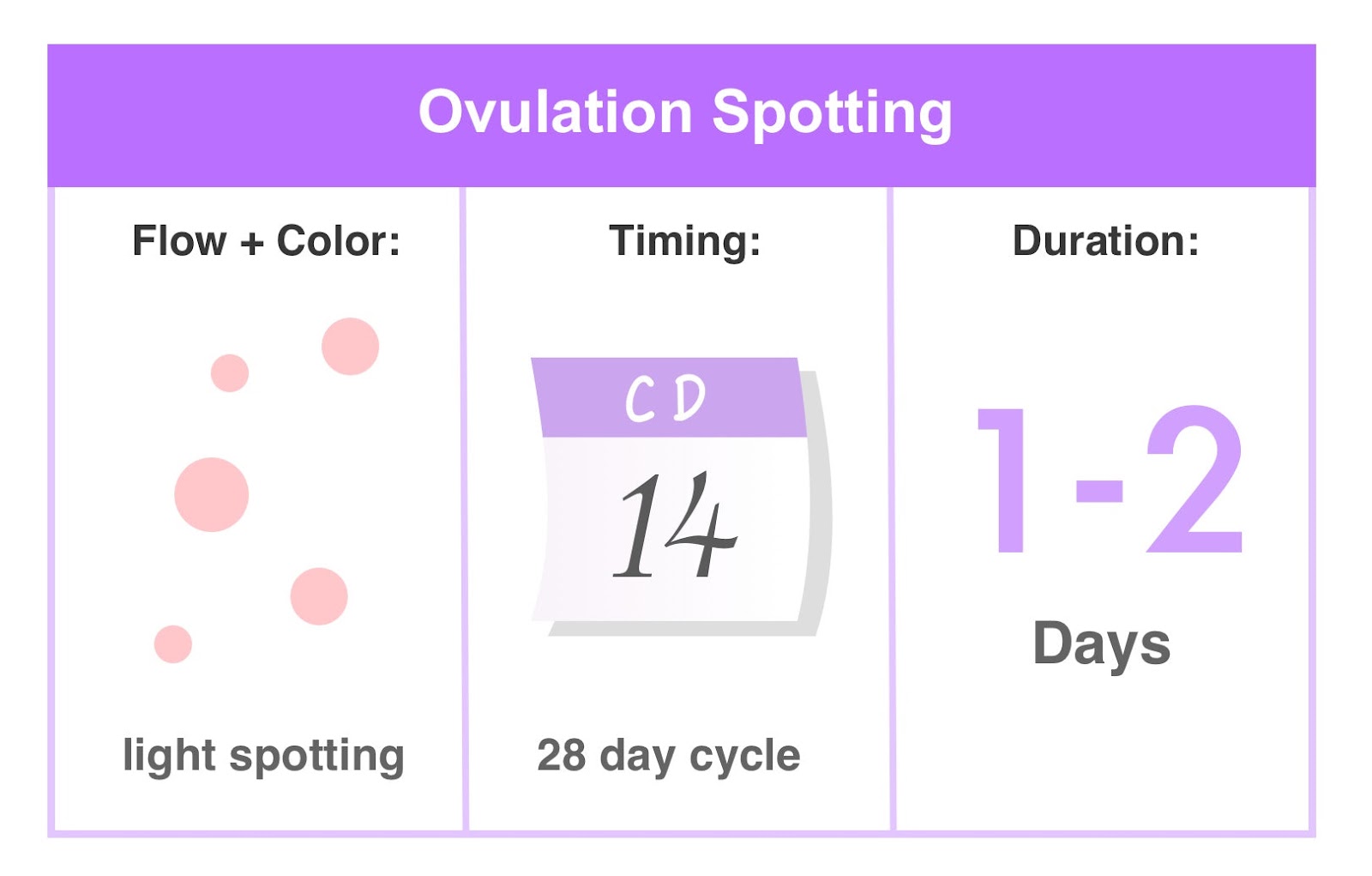
Ovulation Spotting
Ovulation spotting is exactly as it sounds: a slight amount of blood that is released when ovulation occurs. Remember that eggs are released from little sacs in the ovaries, called follicles. When hormone levels reach a certain threshold, the egg is then released from the ovarian follicle, and the egg itself makes its way towards the uterus through the fallopian tubes. This release can cause spotting in some women; typically this spotting will be extraordinarily light, and you may only notice a slight, light pink discharge. It will occur near your predicted ovulation, which is typically 14 days before the start of your next period. Using ovulation tests and watching your LH peak can help you identify when your ovulation will occur and helps explain any spotting that occurs around that time. In addition, you may notice a brief twinge of pain on either the right or left side of your lower abdomen.
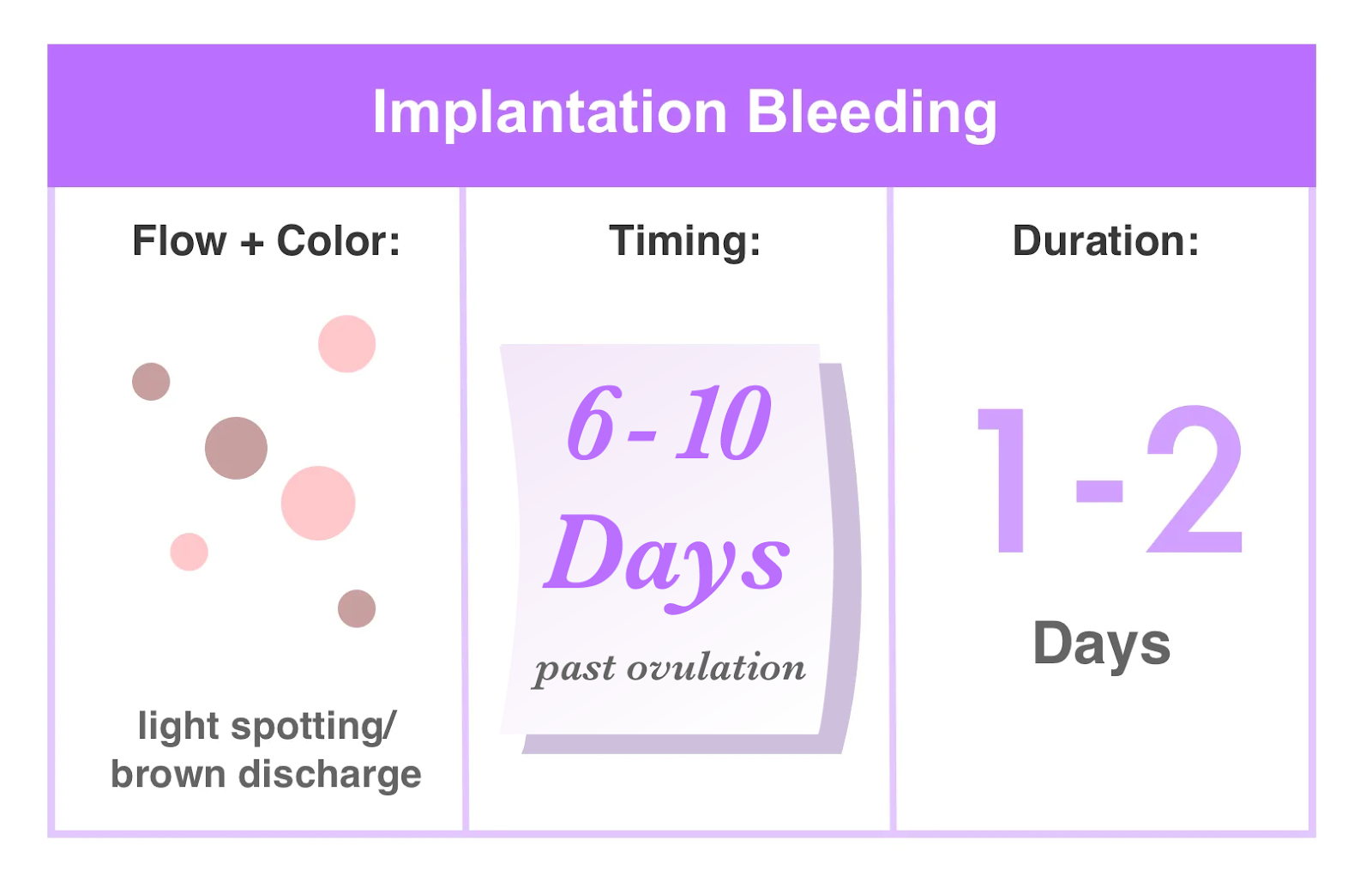
Implantation Bleeding
Implantation spotting occurs as a fertilized egg nuzzles itself into the thick endometrial lining in your uterus. The endometrium is the innermost layer of your uterus and is highly vascular (has a lot of blood vessels)! The hormone progesterone is secreted in the luteal phase to help support the proliferation of the endometrium, ensuring it is has plenty of blood vessels to nourish a newly implanted embryo. Implantation spotting typically occurs 6-10 days past ovulation and will only last for 24-48 hours. It’s typically light in color, brown or pinkish, and in minimal quantities. Clots should not appear with implantation spotting.
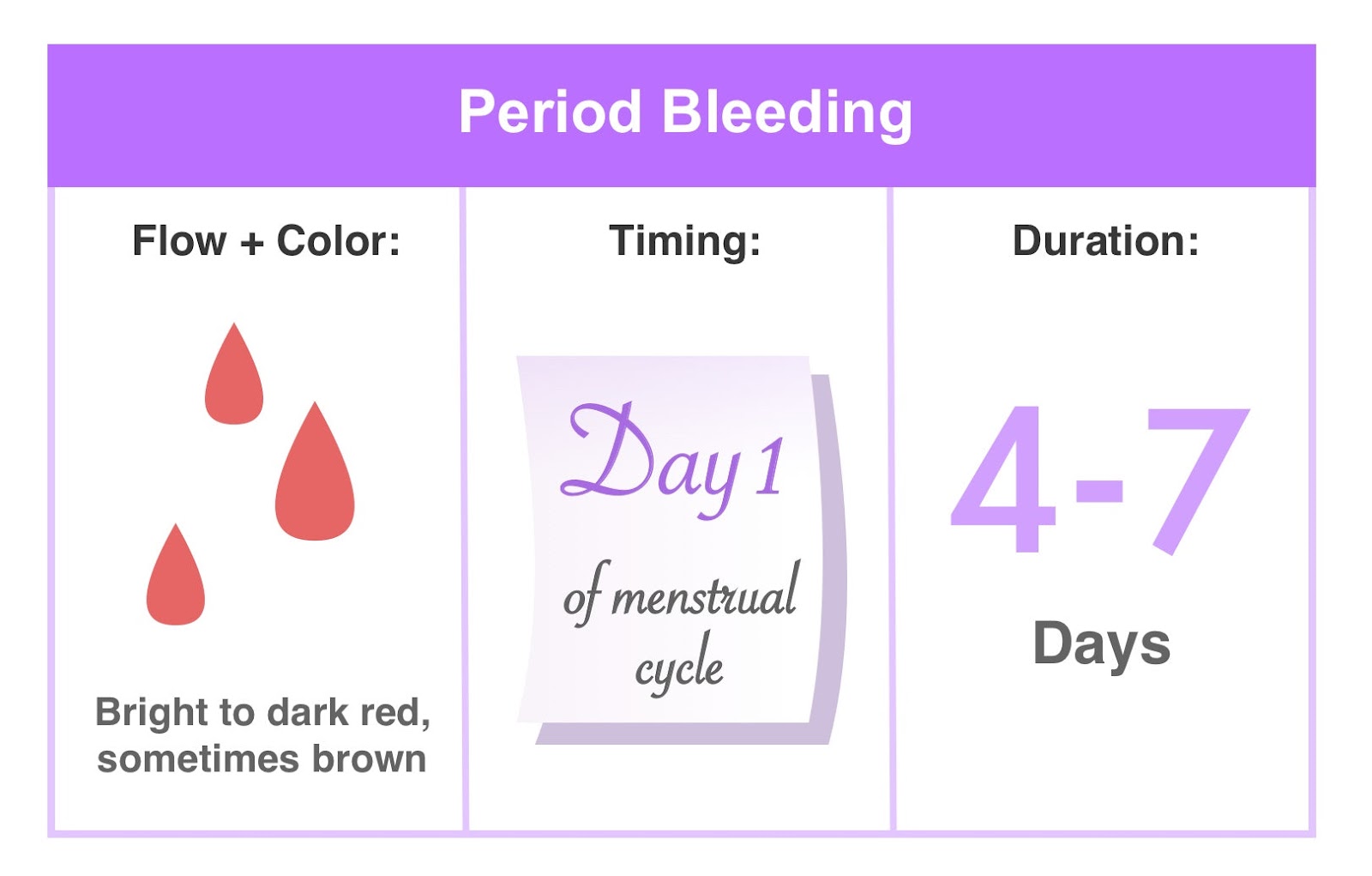
Period Bleeding
Period bleeding typically begins heavy and lightens as the menses progresses. Period bleeding technically indicates the end of your last cycle and is counted as “day 1” of your next menstrual cycle. The blood is typically in larger quantities for 2-4 days, lightening after that and is typically a deep or bright red or brownish in color. Clotting can be normal, but if you are passing multiple clots — larger than the size of a quarter, it’s a good idea to discuss this heavy bleeding with your doctor. Period bleeding is often associated with mild to moderate cramping that is intermittent and lasts for a few days.
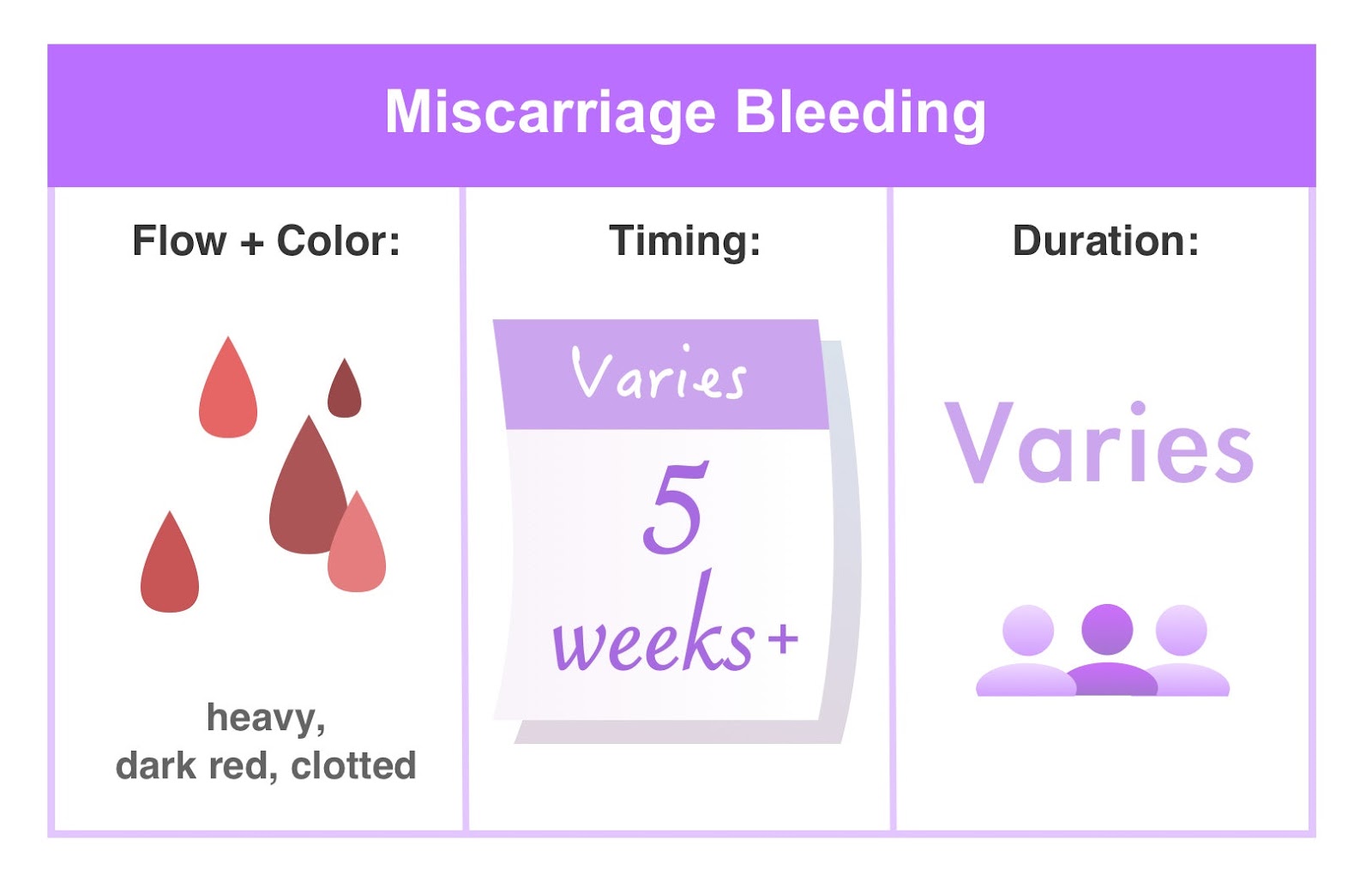
Miscarriage Bleeding
Bleeding associated with a miscarriage can be different for many women and is dependent on the duration of pregnancy (i.e. blighted ovum/chemical pregnancy vs 6 weeks vs 10 weeks gestation or development). Some women will begin to pass blood and material vaginally on their own post miscarriage, but others will not pass anything naturally and will either need medications to stimulate the sloughing of tissue or a procedure called D&C (dilation and curettage). If you have concerns of miscarriage, it’s important to seek out consult from your doctor as soon as possible.
Conclusion
Your body is unique. Not only are cycles different from one woman to another, but there are even differences within a woman’s own cycles. However, among all the signs between your ovulation cycle and menstrual cycle, the period is the most physically obvious and easy to track. Use the free Premom ovulation tracker app to log your period and spotting symptoms. When you focus on the timing of the spotting and the color/quantity, you can gain a better understanding of what your body is doing!
Learn more about the importance of period tracking and monitoring your menstrual flow in our Period Tracking section.
References
- Sohda S, Suzuki K, Igari I. Relationship Between the Menstrual Cycle and Timing of Ovulation Revealed by New Protocols: Analysis of Data from a Self-Tracking Health App. Journal of Medical Internet Research. 2017;19(11):e391. doi:10.2196/jmir.7468
- Liu X, Xiaqiu WU, Lirong B, Jin P, Hui KK. Menstrual cycle characteristics as an indicator of fertility outcomes: evidence from prospective birth cohort study in China. PubMed. 2022;42(2):272-278. doi:10.19852/j.cnki.jtcm.2022.02.010
- Kolstad HA, Bonde JP, Hjollund NH, et al. Menstrual cycle pattern and fertility: a prospective follow-up study of pregnancy and early embryonal loss in 295 couples who were planning their first pregnancy. Fertility and Sterility. 1999;71(3):490-496. doi:10.1016/s0015-0282(98)00474-9